Weighted Pull-Up Strength Guide
Learn how to build elite pulling strength using weighted pull-ups and proven calisthenics strength progressions.
Weighted pull-ups are one of the most powerful strength exercises in calisthenics. They build raw pulling power, improve muscle-up explosiveness, and dramatically accelerate front lever progress.
Athletes who develop strong weighted pull-ups often progress faster in advanced calisthenics skills. The correlation between weighted pull-up strength and skill acquisition is well documented—most athletes who achieve full front lever can perform weighted pull-ups with +50% or more of their bodyweight.
This guide explains how to safely build weighted pull-up strength, understand your current level, and integrate pulling strength work into a balanced calisthenics program.
Muscles Used in Weighted Pull-Ups
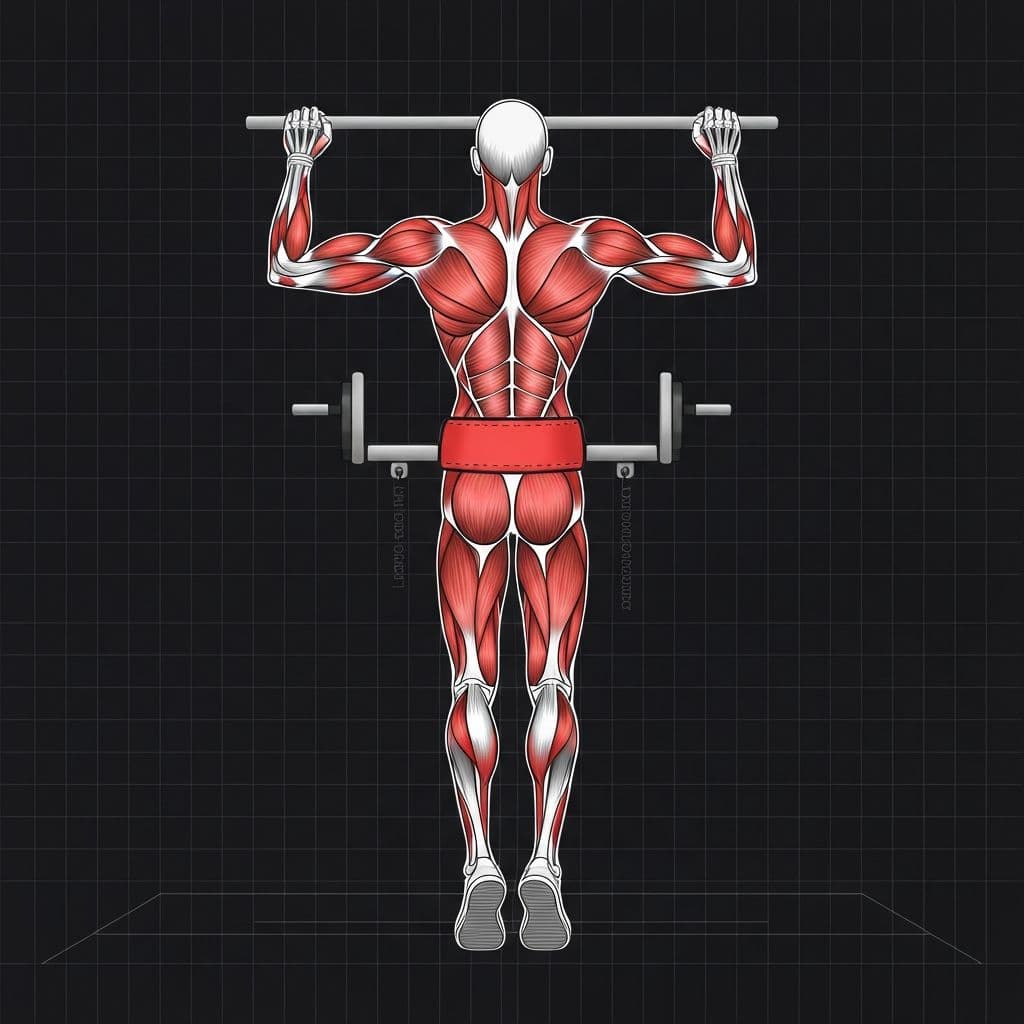
Latissimus Dorsi
Primary pulling muscles
Biceps
Elbow flexion
Upper Back
Scapular retraction
Forearms
Grip strength
Core
Body stabilization
Why Weighted Pull-Ups Matter for Calisthenics
Front Lever Strength
Weighted pull-up strength directly correlates with front lever ability. Athletes with +50% BW pull-ups often unlock straddle front lever.
Muscle-Up Explosiveness
The pulling power built from weighted pull-ups transfers directly to explosive movements like the muscle-up.
Pull-Up Endurance
Getting stronger at weighted pull-ups makes bodyweight pull-ups feel effortless, dramatically improving endurance.
Upper-Body Pulling Power
Weighted pull-ups build raw pulling strength that transfers to rows, levers, and climbing movements.
Weighted Pull-Up Strength Levels
Understanding where you stand helps you set realistic goals and choose appropriate training progressions.
Building foundational pulling strength and proper form.
Ready for basic front lever progressions and muscle-up training.
Capable of straddle front lever and clean muscle-ups.
Full front lever, weighted muscle-ups, and advanced pulling skills.
Strength Correlations
Research shows strong correlations between weighted pull-up strength and skill acquisition: +30% BW often unlocks tuck front lever, +50% correlates with straddle, and +70%+ athletes typically achieve full front lever.
Best Exercises for Pulling Strength
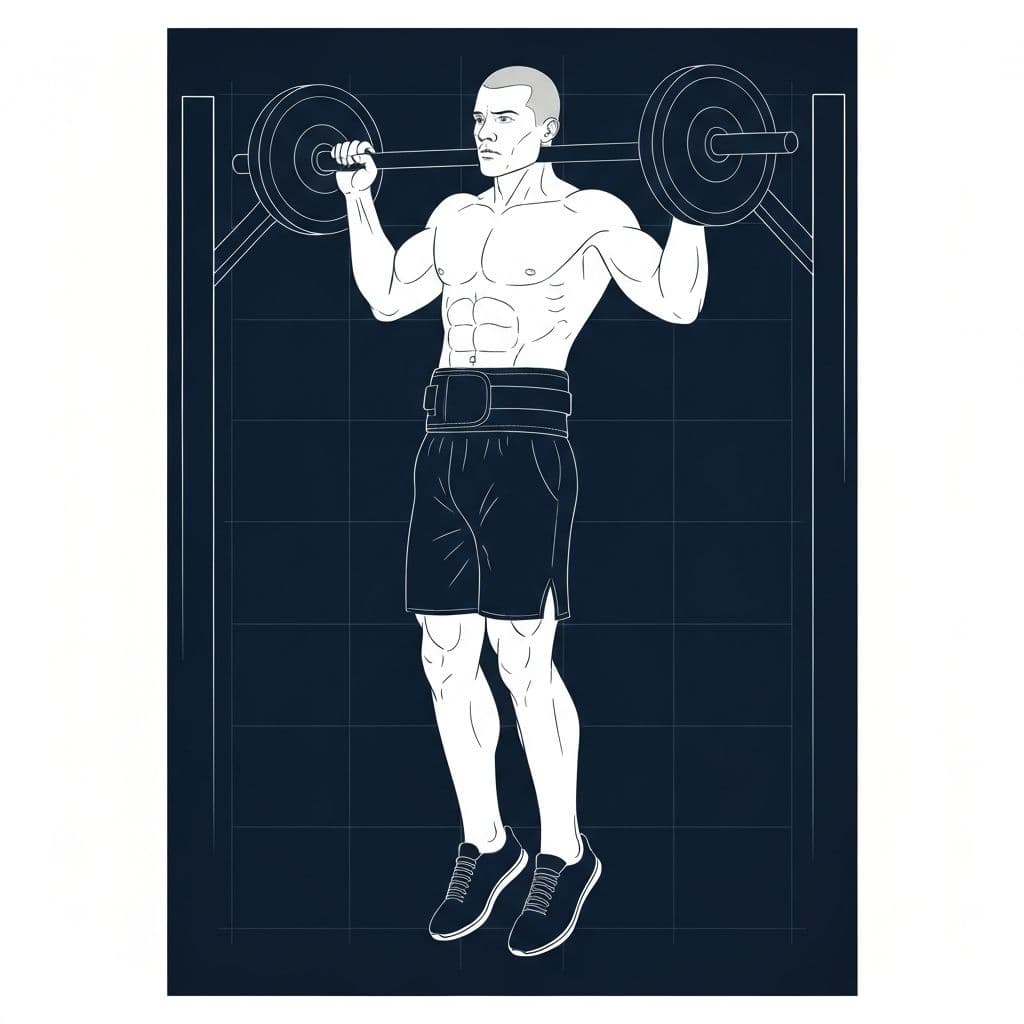
Weighted Pull-Ups
4-5 sets x 3-6 repsThe foundation of pulling strength. Use a dip belt or weight vest to add external load.
Key Cues
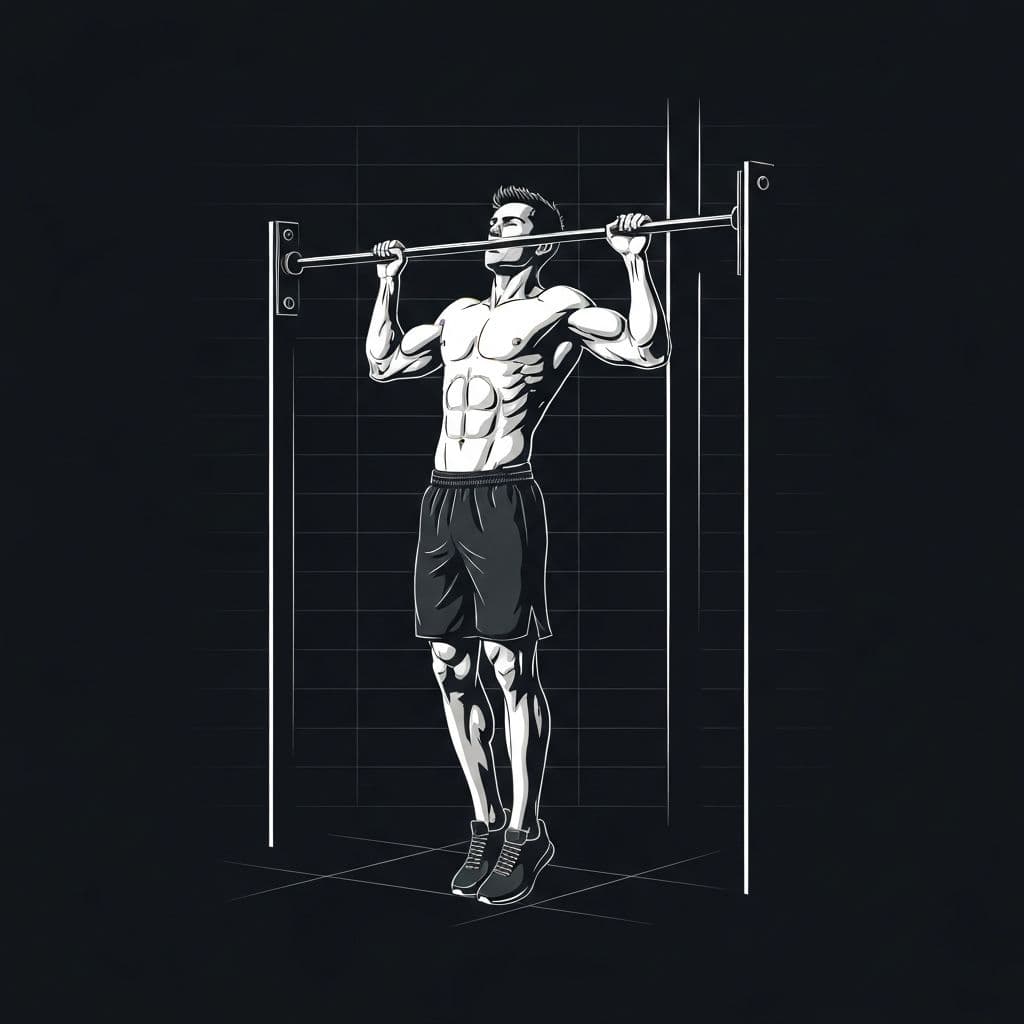
Chest-to-Bar Pull-Ups
3-4 sets x 6-8 repsPull higher than standard pull-ups to build the pulling height needed for muscle-ups.
Key Cues
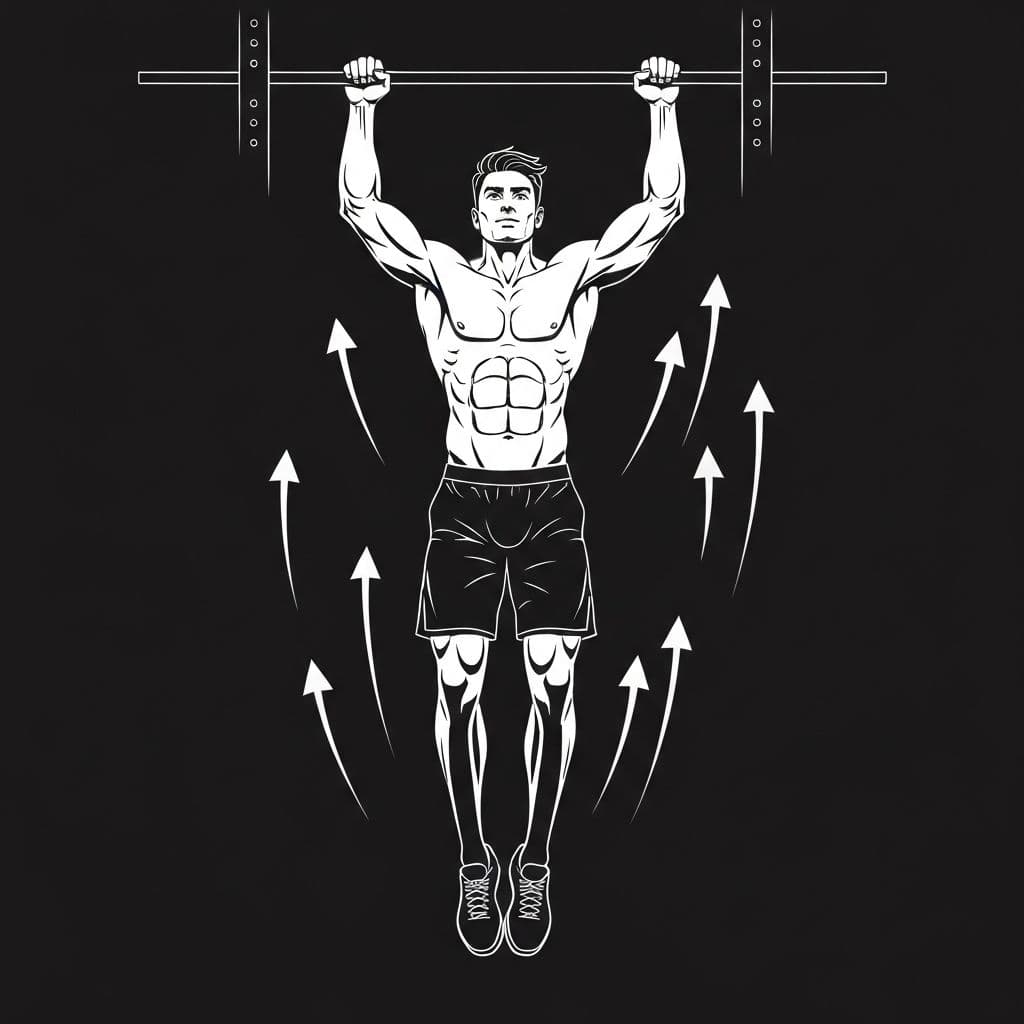
Explosive Pull-Ups
4 sets x 5-6 repsBuild power and rate of force development for muscle-ups and dynamic movements.
Key Cues
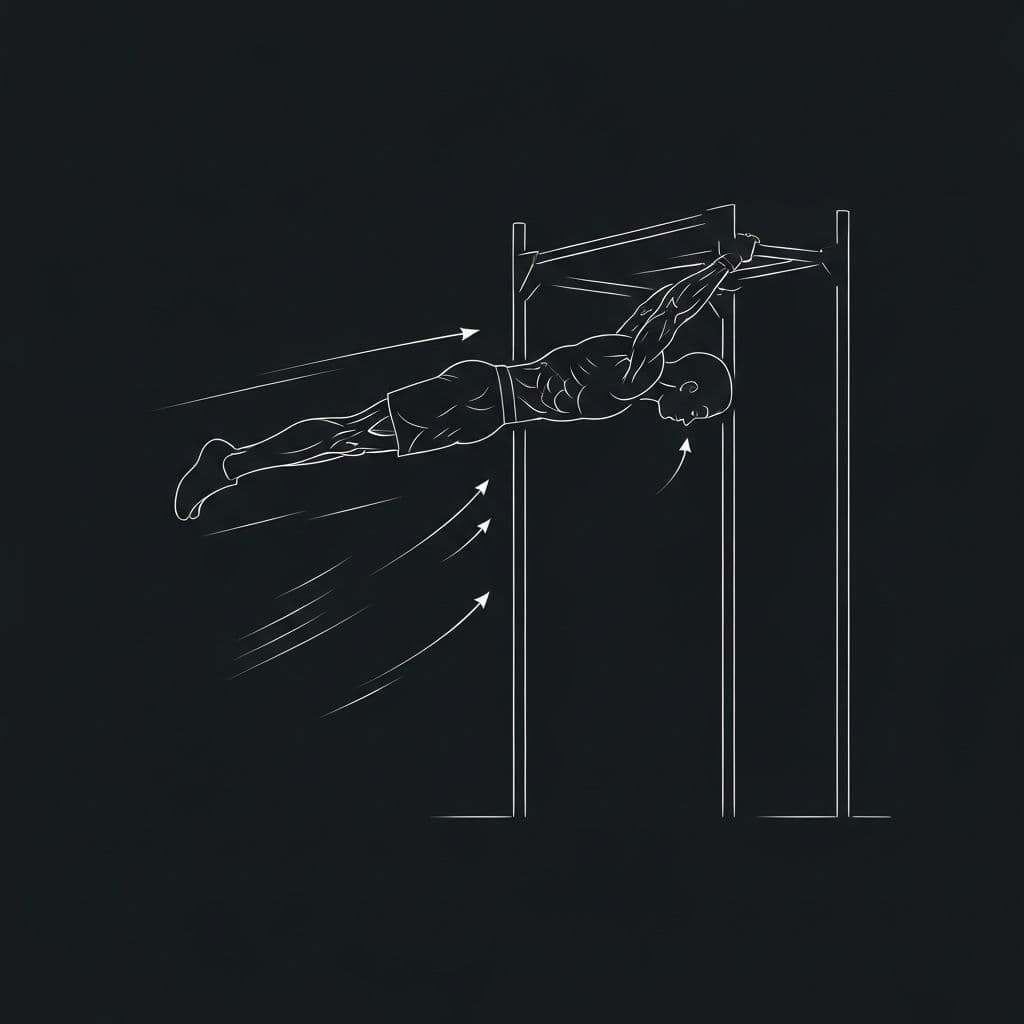
Front Lever Rows
3-4 sets x 5-8 repsBuild horizontal pulling strength while maintaining front lever body position.
Key Cues

Archer Pull-Ups
3 sets x 4-6 reps each sideUnilateral pulling strength that develops one-arm pull-up ability and addresses imbalances.
Key Cues
Common Weighted Pull-Up Mistakes
Using Excessive Body Swing
Kipping or swinging removes tension from the target muscles and increases injury risk. Use strict form with controlled movement.
Partial Range of Motion
Not going to full dead hang or stopping before chin clears the bar. Full ROM builds complete strength and prevents imbalances.
Poor Scapular Engagement
Pulling without initiating from the scapulae. Start each rep by depressing and retracting the shoulder blades.
Adding Weight Too Quickly
Jumping to heavy loads before building a solid base. Master 10-12 strict bodyweight pull-ups before adding significant weight.
Neglecting Grip Training
Grip often fails before back muscles fatigue. Train dead hangs and avoid over-reliance on straps for submaximal work.
How Often to Train Weighted Pull-Ups
Weighted pull-up training requires adequate recovery due to the high mechanical tension on muscles and connective tissue. Most athletes benefit from 2-3 pulling sessions per week, with at least 48 hours between heavy weighted sessions.
Sample Weekly Structure
Day 1 - Heavy
Weighted Pull-Ups 5x3-5 @ 85-90% max
Day 2 - Volume
Bodyweight variations, rows, and skill work
Day 3 - Power
Explosive pull-ups, moderate weighted work
Progressive Overload Strategy
Add weight in small increments (1-2.5kg) when you can complete all prescribed reps with good form. Prioritize consistency over rapid weight increases—sustainable progress prevents injury and builds lasting strength.
Analyze Your Pull-Up Strength
Use the SpartanLab Weighted Pull-Up Strength Calculator to determine your current strength level and see how it compares to advanced calisthenics athletes.
Open Weighted Pull-Up CalculatorGenerate a Pulling Strength Program
SpartanLab can generate a full calisthenics program based on your strength levels, skill progressions, and training schedule. The Adaptive Training Engine analyzes your performance and automatically adjusts your program as you get stronger.
Generate Program