Muscle-Up Training Guide
Learn how to build the strength, technique, and pulling power required to achieve your first muscle-up.
The muscle-up is one of the most iconic calisthenics skills. It combines a powerful pull-up with a transition over the bar into a dip, creating a complete upper body movement that demonstrates real functional strength.
Many athletes struggle with the muscle-up because it requires both pulling strength and proper technique. Unlike a standard pull-up, you must generate enough height to get your chest above the bar, then rotate your wrists and body to complete the transition.
With the right progressions and exercises, most athletes can learn their first muscle-up. This guide explains the strength requirements, progressions, and exercises used by experienced calisthenics athletes.
Muscles Used in the Muscle-Up
The muscle-up is a compound movement that engages nearly every muscle in the upper body. Understanding which muscles drive each phase helps you target weaknesses in training.
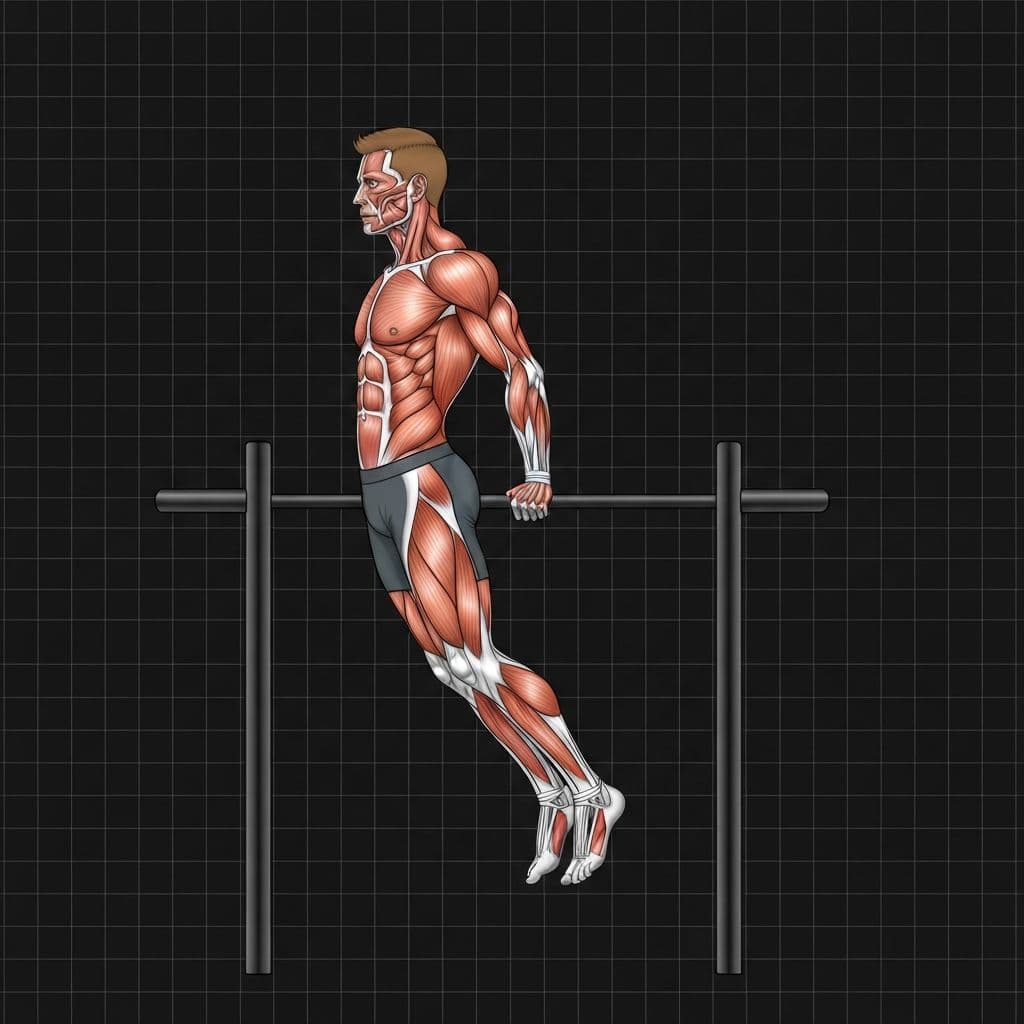
Latissimus Dorsi
Primary pulling muscles that initiate and power the pull-up phase
Biceps
Assist the pull and flex the elbows during the pulling phase
Upper Back
Traps, rhomboids, and rear delts stabilize and complete the pull
Chest
Assists during the transition and supports the dip phase
Triceps
Primary movers for the dip/press-out portion above the bar
Core
Stabilizes the body throughout the movement and controls swing
Muscle-Up Progression Levels
Progressing to a muscle-up requires building strength through specific stages. Each progression develops a component of the full movement.

Strict Pull-Ups
Full range of motion pull-ups with controlled tempo. The fundamental pulling strength that everything else builds upon.
Why it matters: Without solid pull-up strength, you cannot generate enough height to transition over the bar.

Chest-to-Bar Pull-Ups
Pull-ups that finish with chest touching the bar. Requires significantly more pulling power than chin-over-bar.
Why it matters: Teaches the pulling height needed to create space for the transition phase.
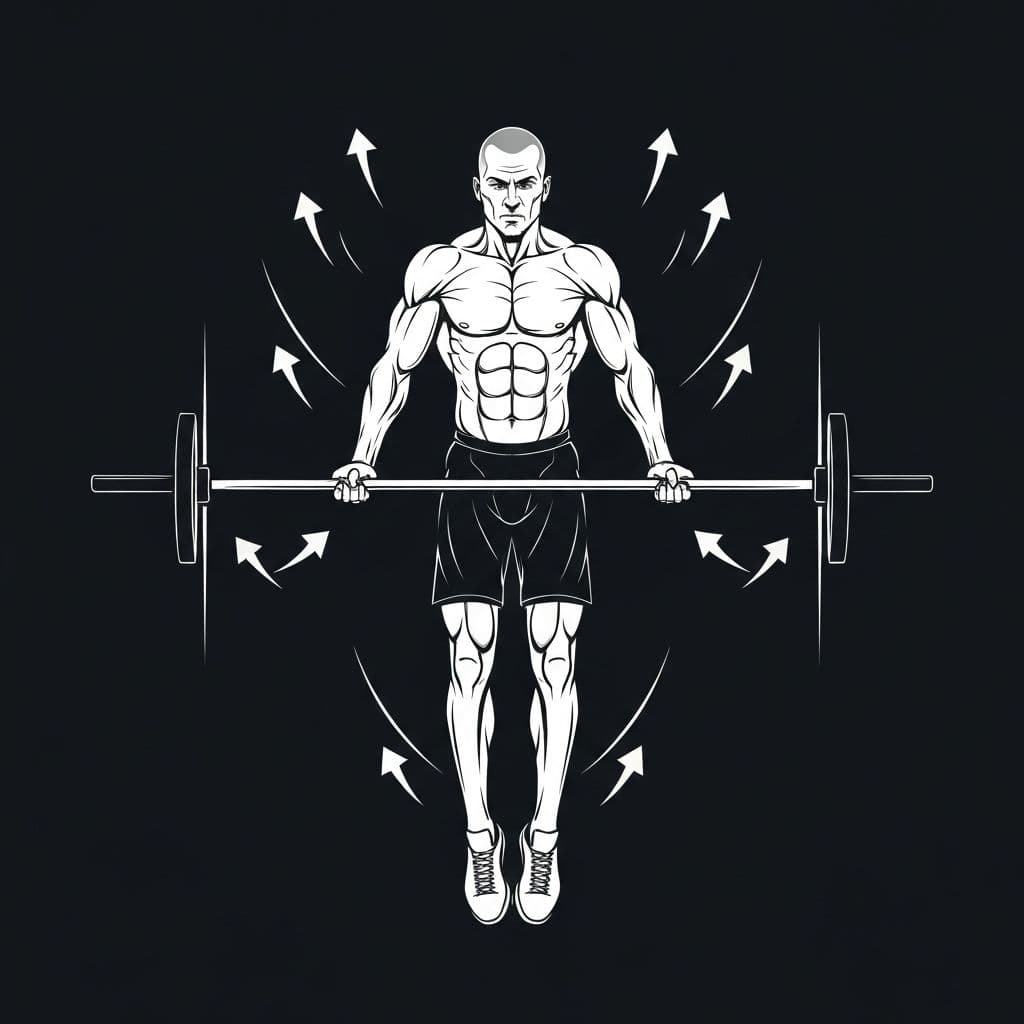
Explosive Pull-Ups
High-speed pull-ups generating maximum upward momentum. Hands may release briefly at the top.
Why it matters: The muscle-up requires explosive power, not just strength. This trains the rate of force development.
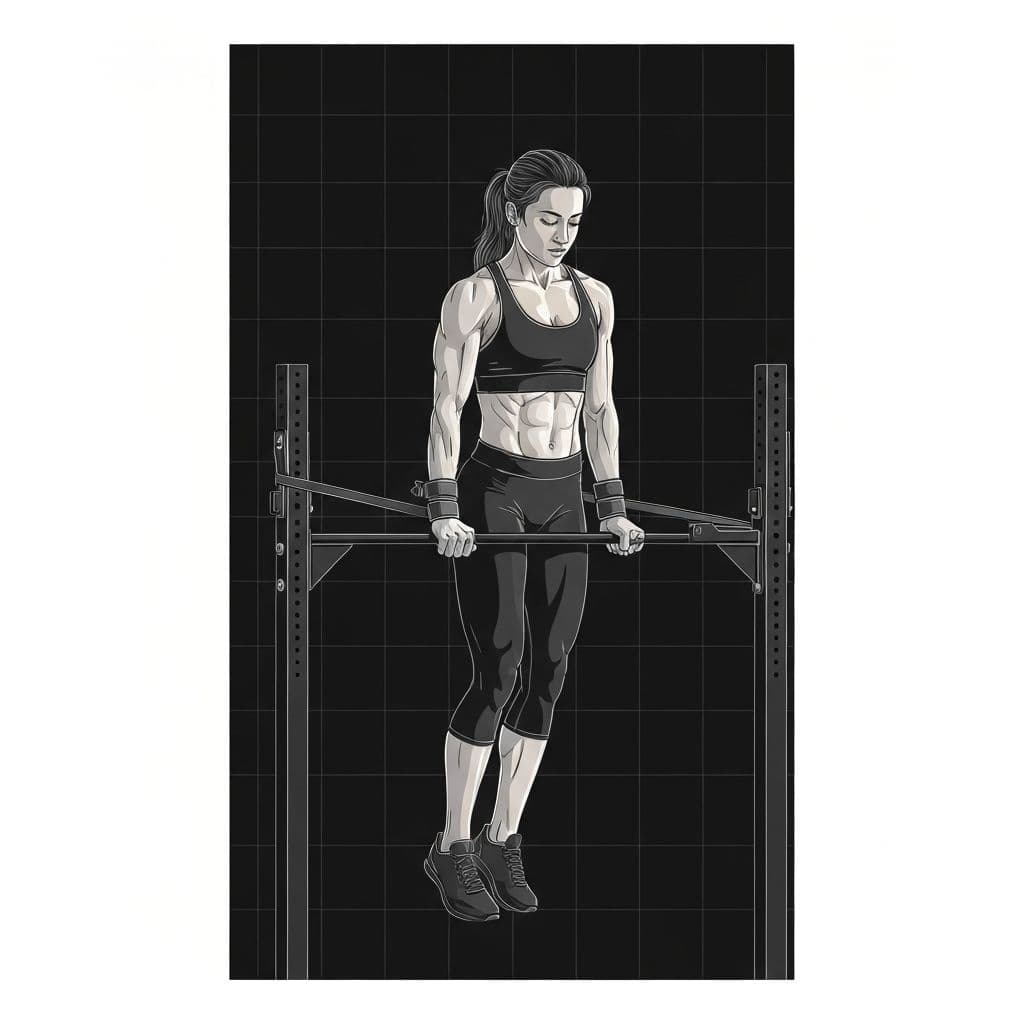
Transition Drills
Practicing the "over the bar" transition from various assistance heights or with bands. The most technical phase of the muscle-up.
Why it matters: The transition is where most athletes fail. Isolated practice builds the motor pattern.
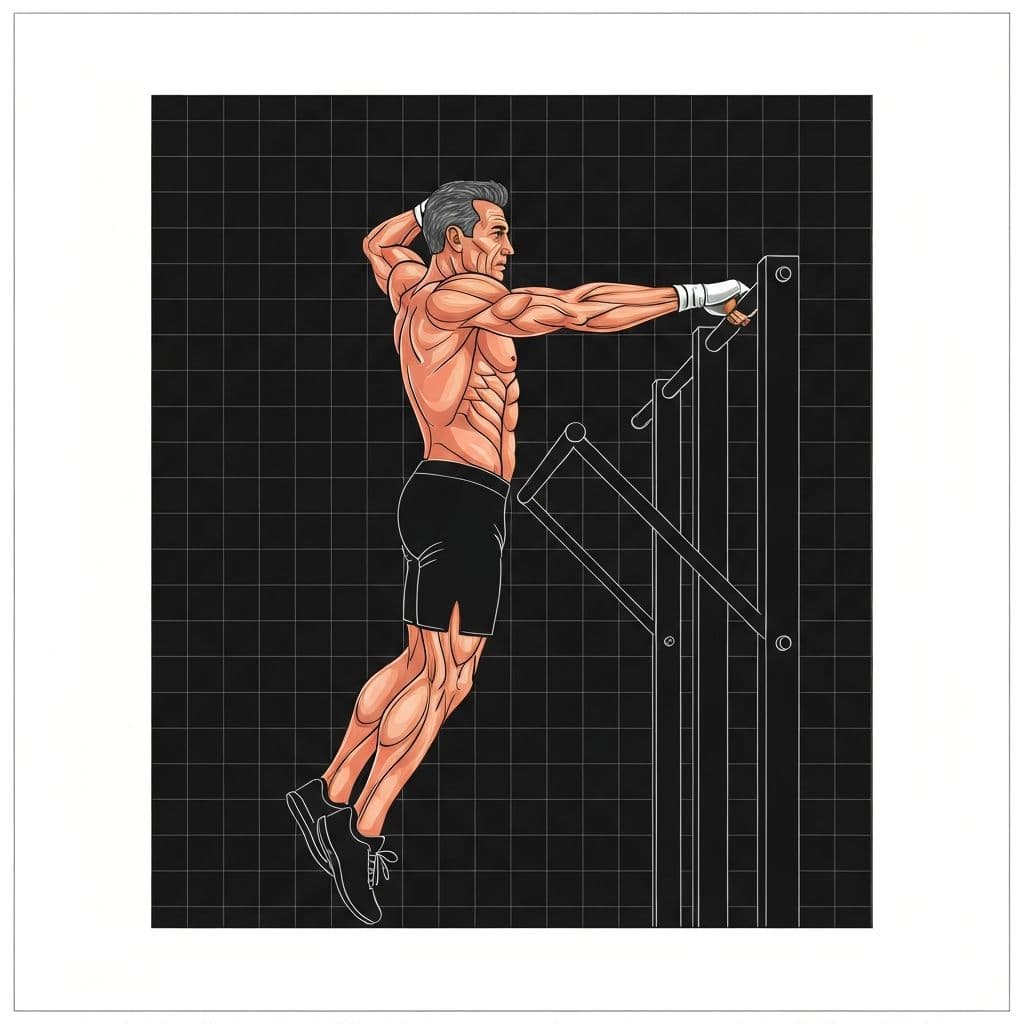
Full Muscle-Up
Complete movement from dead hang to support position above the bar. Combines explosive pull, transition, and dip.
Why it matters: The culmination of pulling strength, explosive power, and technical skill.
Best Exercises for Muscle-Up Strength
These exercises build the specific strength needed for each phase of the muscle-up. Include them in your training to accelerate progress.
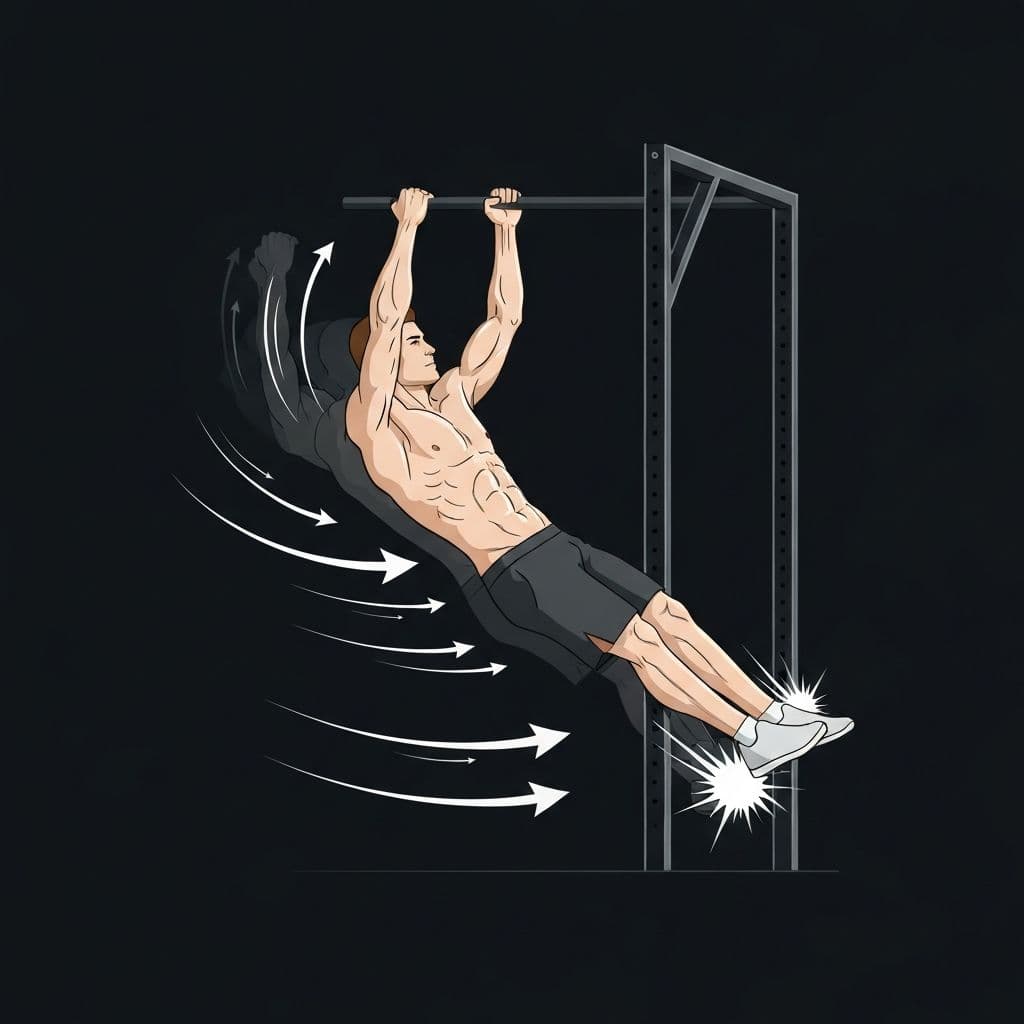
Explosive Pull-Ups
Pull as fast and high as possible from dead hang. Focus on generating maximum upward velocity rather than controlled tempo.
Key Cues
Chest-to-Bar Pull-Ups
Pull-ups finishing with chest contacting the bar. Develops the pulling height needed for muscle-up transition.
Key Cues
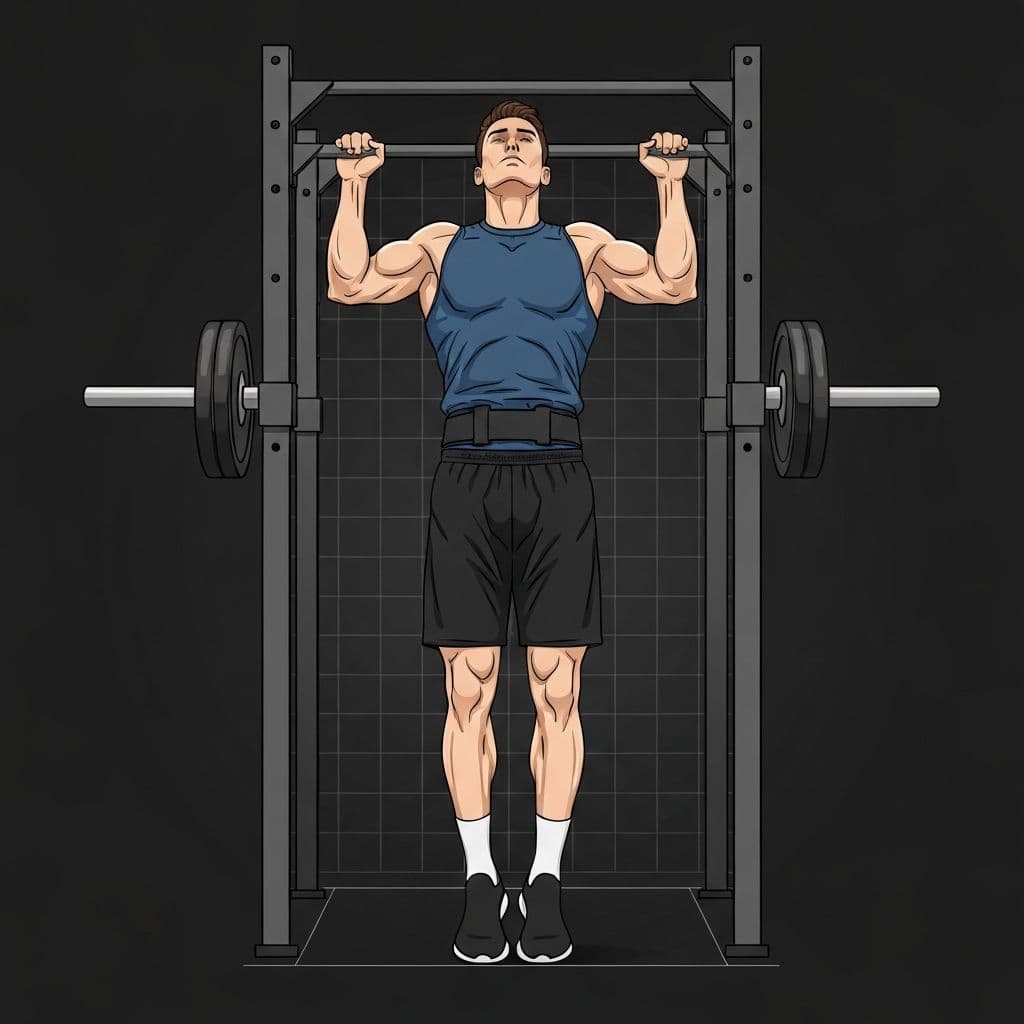
Weighted Pull-Ups
Pull-ups with added external load. Builds the raw pulling strength that makes bodyweight pull-ups explosive.
Key Cues
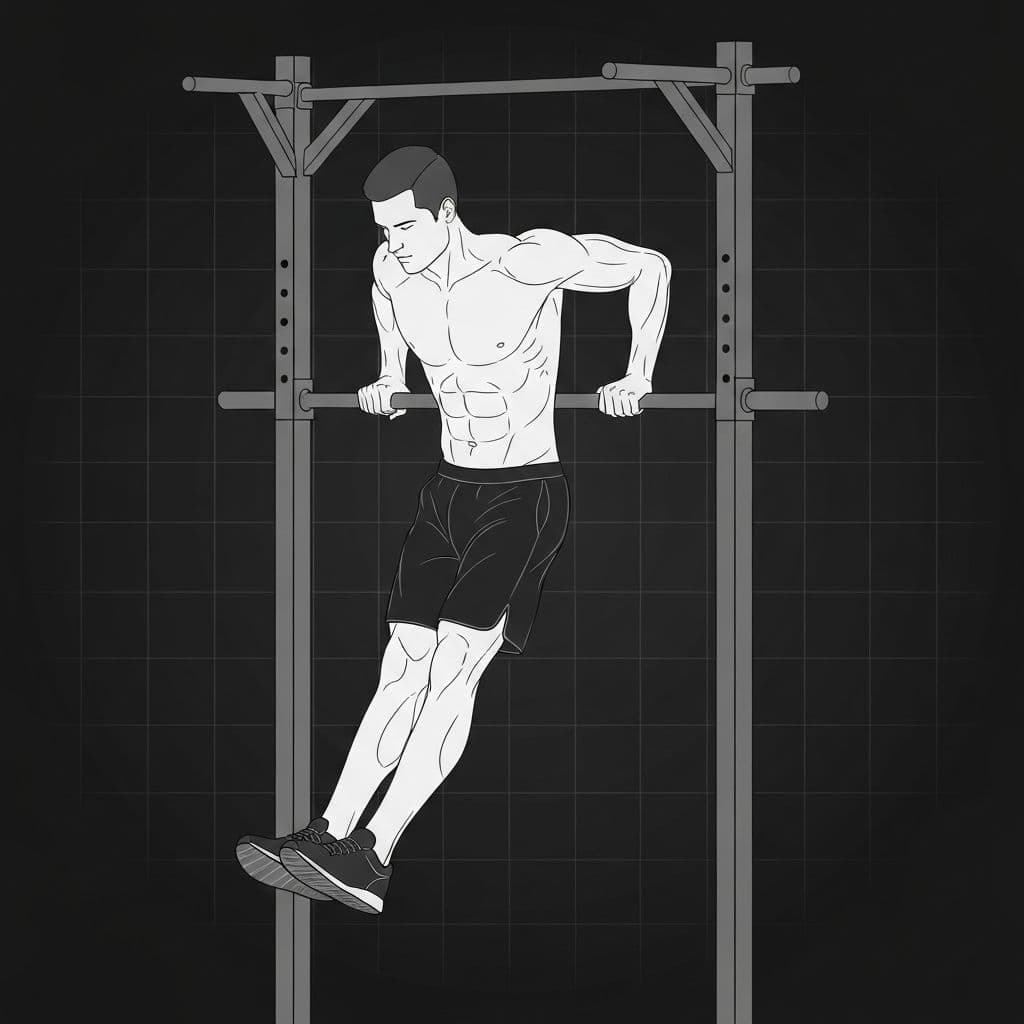
Straight Bar Dips
Dips performed on a straight bar rather than parallel bars. Mimics the support position of the muscle-up.
Key Cues
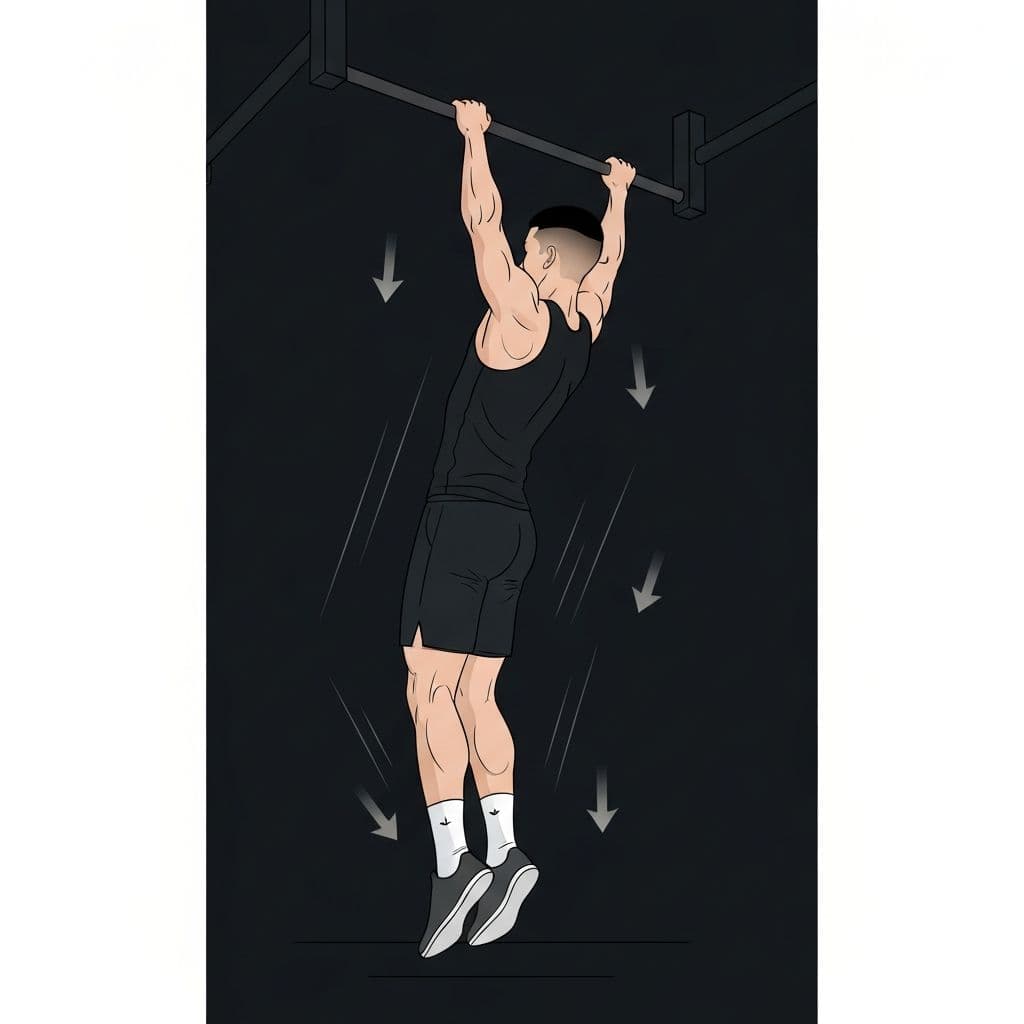
Muscle-Up Negatives
Jump or assist to the top position, then lower through the transition with control. Builds eccentric strength through the hardest phase.
Key Cues
Common Muscle-Up Mistakes
Avoid these common errors that slow progress and can lead to injury.
Insufficient pulling height
If you cannot pull high enough, there is no room to transition over the bar. Focus on explosive and chest-to-bar pull-ups before attempting muscle-ups.
Trying to "jump" into the movement
Using a kip or swing before having the strength leads to poor technique and potential injury. Build the pulling power first.
Poor transition technique
The transition requires a specific wrist and elbow movement. Many athletes get stuck because they do not know how to roll over the bar.
Weak dip strength
Even if you complete the transition, weak dip strength means you cannot press out of the bottom position. Train straight bar dips.
How Strong You Need to Be
These benchmarks indicate readiness to begin serious muscle-up training. Meeting these standards means you have the strength foundation; you just need to develop the technique.
| Exercise | Benchmark | Why It Matters |
|---|---|---|
| Strict Pull-Ups | 10-12 reps | Baseline pulling strength |
| Chest-to-Bar Pull-Ups | 8-10 reps | Required pulling height |
| Weighted Pull-Ups | +20-30% BW | Explosive power reserve |
| Straight Bar Dips | 10-15 reps | Transition and press-out strength |
Pro Tip
If you can do 5 explosive pull-ups where your hands leave the bar, you likely have the power for a muscle-up. At that point, the barrier is technique, not strength.
How Often to Train Muscle-Up
Muscle-up training should balance skill practice with strength building. Recovery is essential for the connective tissue in your elbows and shoulders.
2-3x
Sessions per week
Fresh
Skill work first in session
48-72h
Recovery between sessions
Sample Weekly Structure
- Day 1: Explosive pull-ups, transition drills, straight bar dips
- Day 2: Rest or lower body
- Day 3: Weighted pull-ups, chest-to-bar, muscle-up attempts
- Day 4-5: Rest or other training
- Day 6: Full muscle-up practice (if ready), negatives, accessory work
Test Your Muscle-Up Readiness
Use the SpartanLab Muscle-Up Readiness Test to analyze your pulling strength and determine whether you are ready to begin muscle-up training.
Open Muscle-Up Readiness TestGenerate a Muscle-Up Training Program
SpartanLab can generate a training program based on your pulling strength, skill progressions, and available equipment. The Adaptive Training Engine adjusts your workouts automatically as your strength improves.
Generate ProgramMuscle-Up Progression Standards
| Skill Level | Hold Time / Reps |
|---|---|
| Pull-Up Foundation | 10-12 strict reps |
| Chest-to-Bar Pull-Ups | 8-10 reps |
| Explosive Pull-Ups | 6-8 explosive reps |
| Muscle-Up Negatives | 5-8 controlled negatives |
| Full Muscle-Up | 1+ clean reps |
Common Muscle-Up Training Mistakes
Insufficient pulling height
If you cannot pull high enough, there is no room to transition over the bar. Focus on explosive and chest-to-bar pull-ups before attempting muscle-ups.
Trying to "jump" into the movement
Using a kip or swing before having the strength leads to poor technique and potential injury. Build the pulling power first.
Poor transition technique
The transition requires a specific wrist and elbow movement. Many athletes get stuck because they do not know how to roll over the bar.
Weak dip strength
Even if you complete the transition, weak dip strength means you cannot press out of the bottom position. Train straight bar dips.