Front Lever Training Guide
Learn how to build the strength and technique required for a full Front Lever using proven calisthenics progressions.
The front lever is one of the most respected strength skills in calisthenics. It requires exceptional pulling strength, core tension, and scapular control to hold your body horizontally beneath the bar.
Unlike many exercises, the front lever cannot be rushed. Progression training, proper technique, and patience are required to build the strength necessary for the full position.
This guide will walk you through the progressions, exercises, and training strategies used by experienced calisthenics athletes.
Muscles Used in the Front Lever
The front lever is a full-body exercise that primarily targets the pulling muscles while demanding significant core activation.
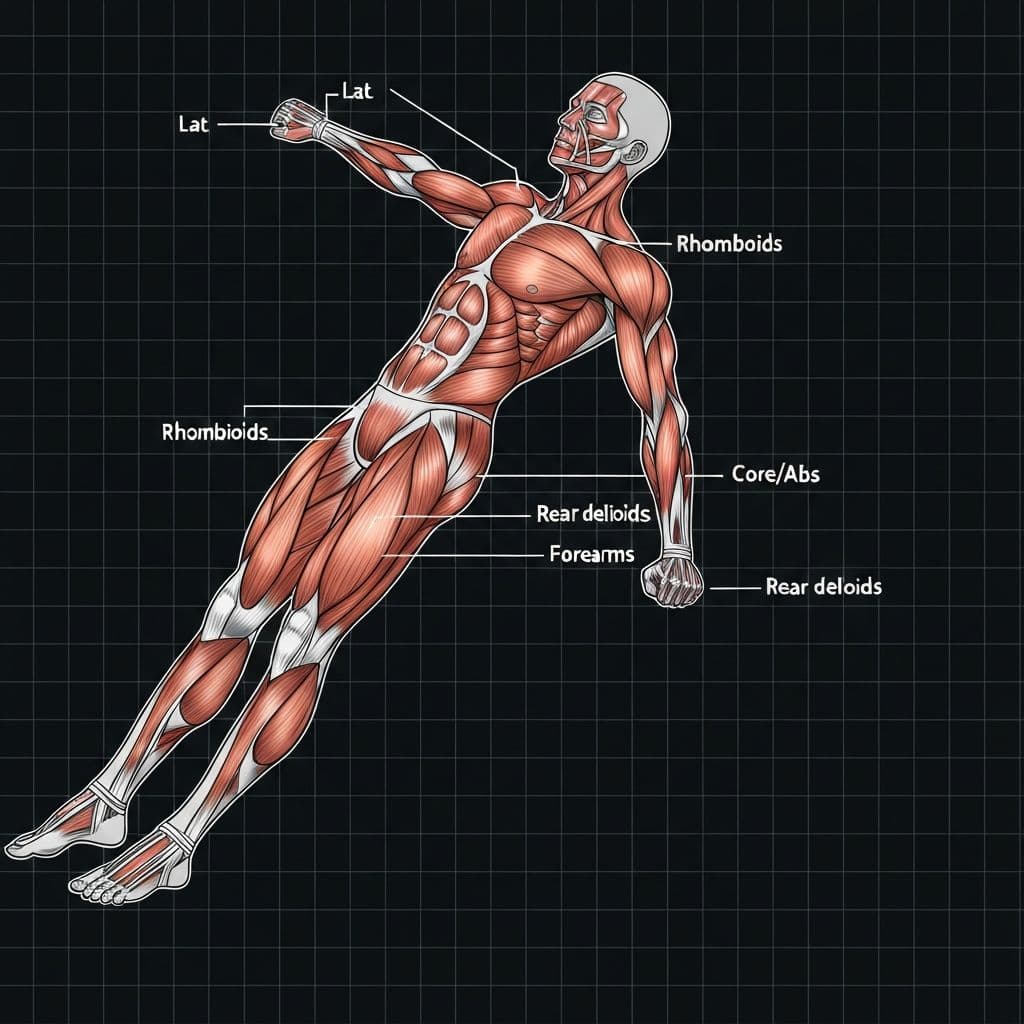
Latissimus Dorsi (Lats)
Primary mover - creates the pulling force to hold body horizontal
Upper Back (Rhomboids, Traps)
Scapular retraction and depression for stable shoulder position
Core (Rectus Abdominis)
Anti-extension strength to maintain straight body line
Rear Deltoids
Shoulder stabilization and horizontal pulling assistance
Grip and Forearms
Maintaining bar grip under significant body tension
Front Lever Progression Levels
The front lever follows a systematic progression that gradually increases the lever arm length. Each level requires significantly more strength than the previous.

Tuck Front Lever
BeginnerKnees pulled tight to chest, body horizontal beneath the bar. Focus on scapular depression and straight arms.

Advanced Tuck Front Lever
IntermediateHips extended backward with thighs below horizontal. Significantly harder than tuck due to longer lever arm.
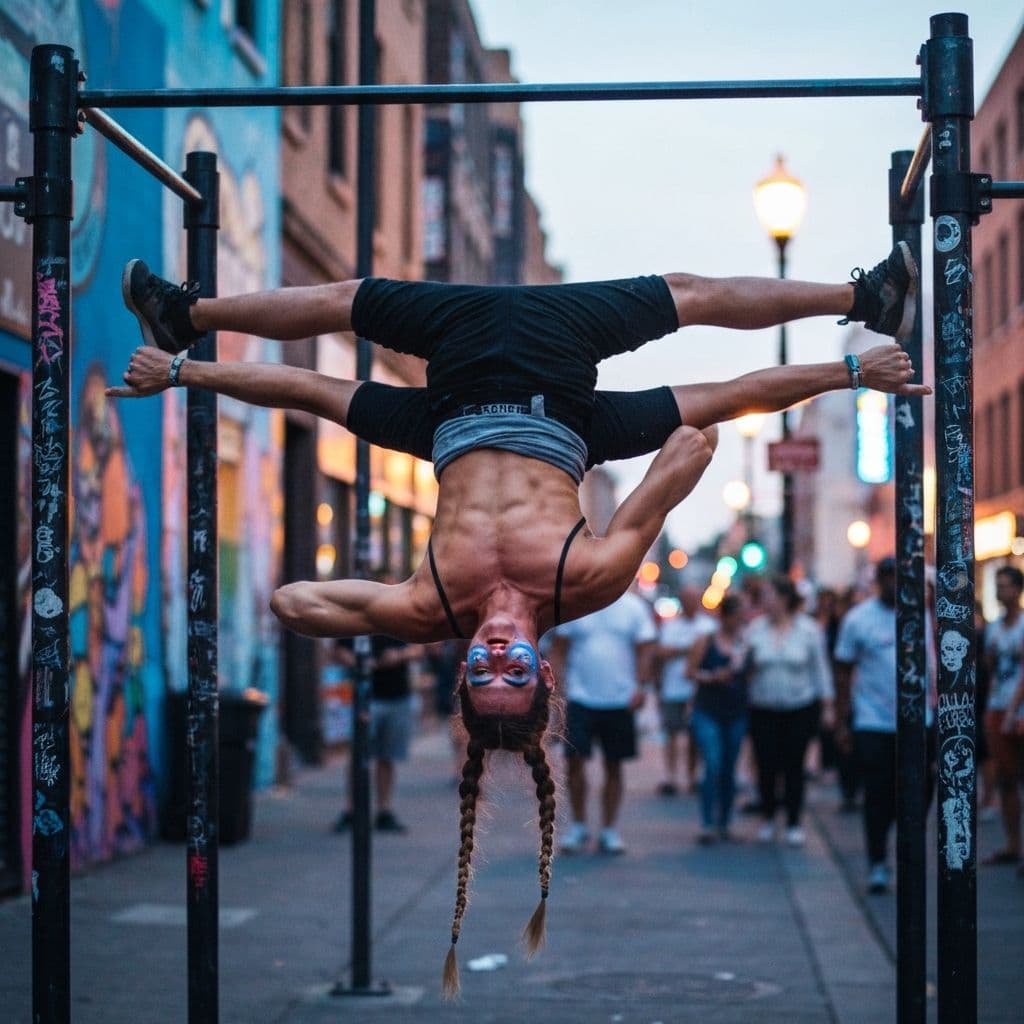
Straddle Front Lever
AdvancedBoth legs fully extended and spread wide. Straddle position shortens the lever compared to full.

Full Front Lever
EliteLegs together, body completely horizontal. The ultimate test of horizontal pulling strength.
Best Exercises to Build Front Lever Strength
These exercises target the specific strength qualities needed for front lever development. Include them in your training program alongside your lever practice.
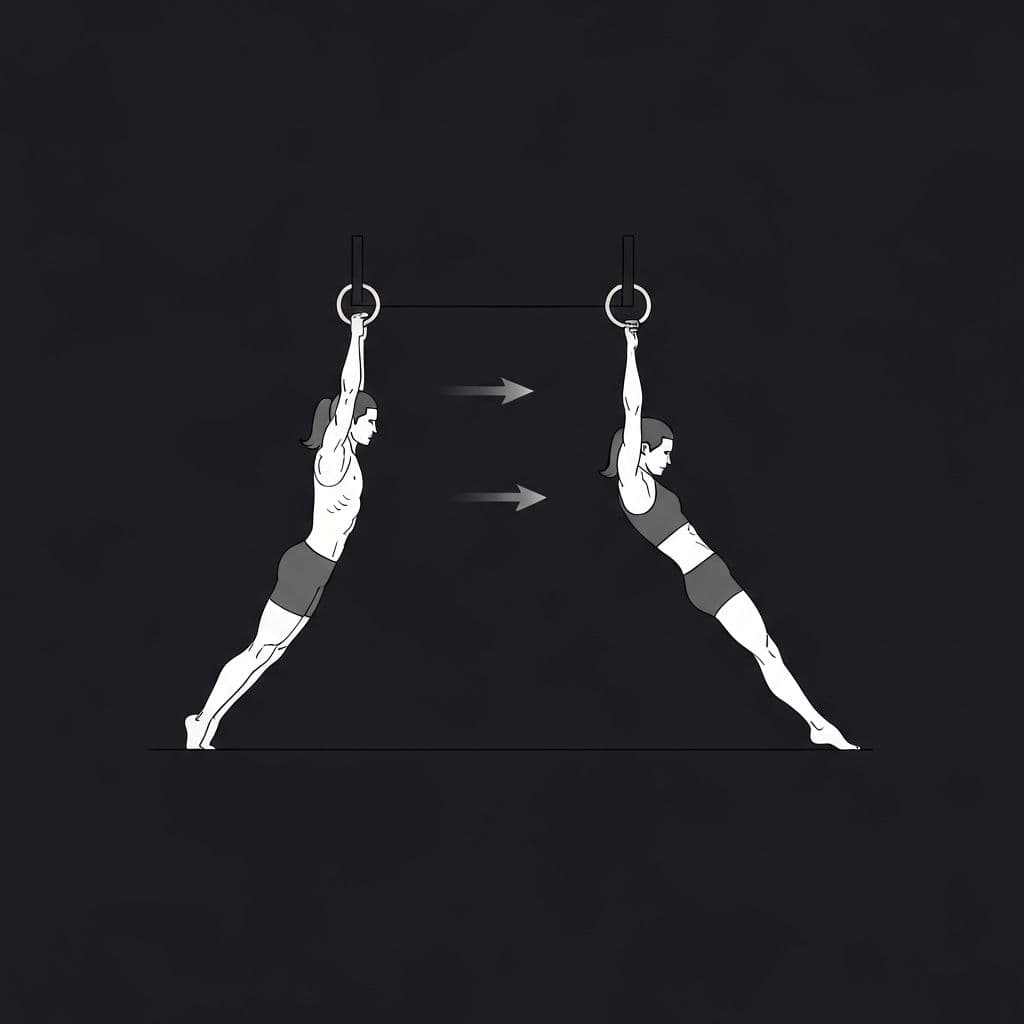
Front Lever Raises
Dynamic movement from inverted hang to front lever position. Builds strength through the full range of motion.
Key Cues
- •Start in inverted hang
- •Lower with straight arms
- •Control the descent
- •Stop at horizontal
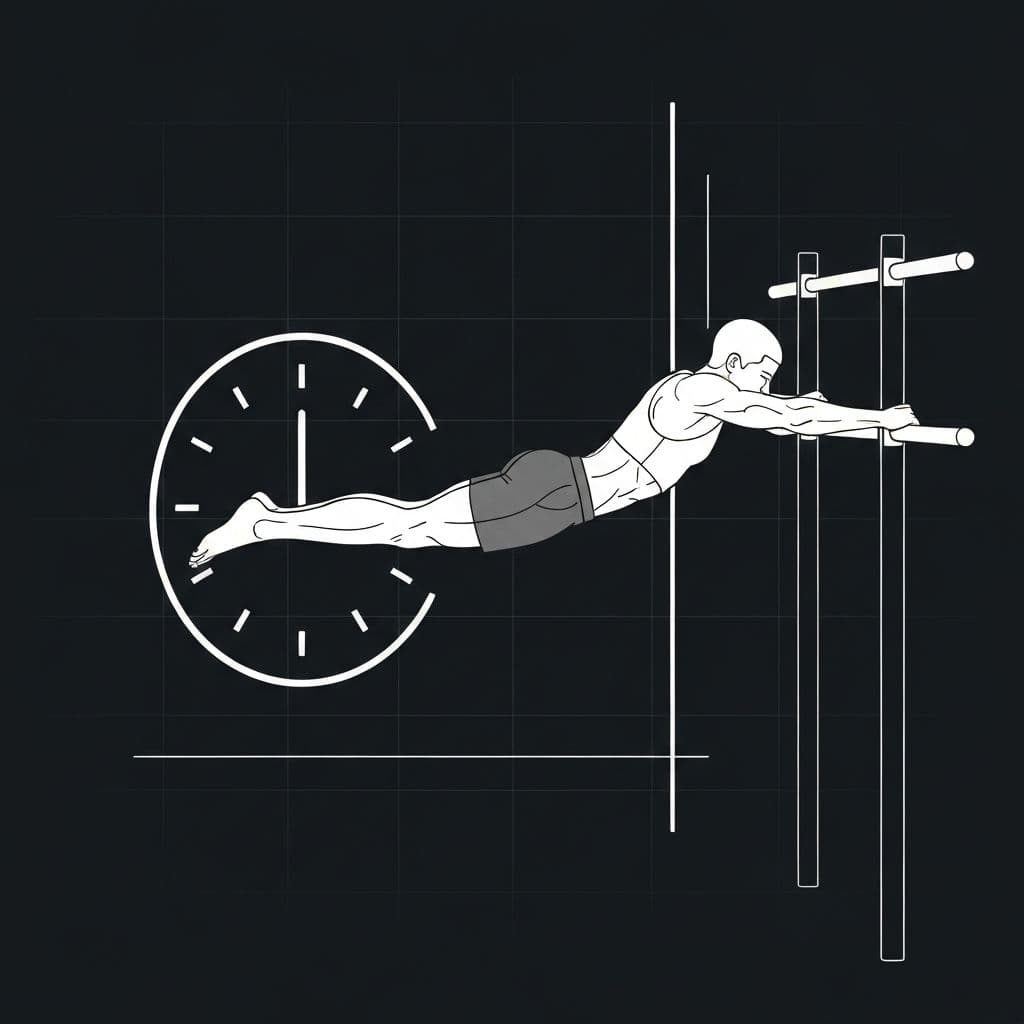
Front Lever Holds
Isometric holds at your current progression level. The primary skill-building exercise.
Key Cues
- •Depress scapulae
- •Straight arms always
- •Squeeze glutes
- •Maintain body tension
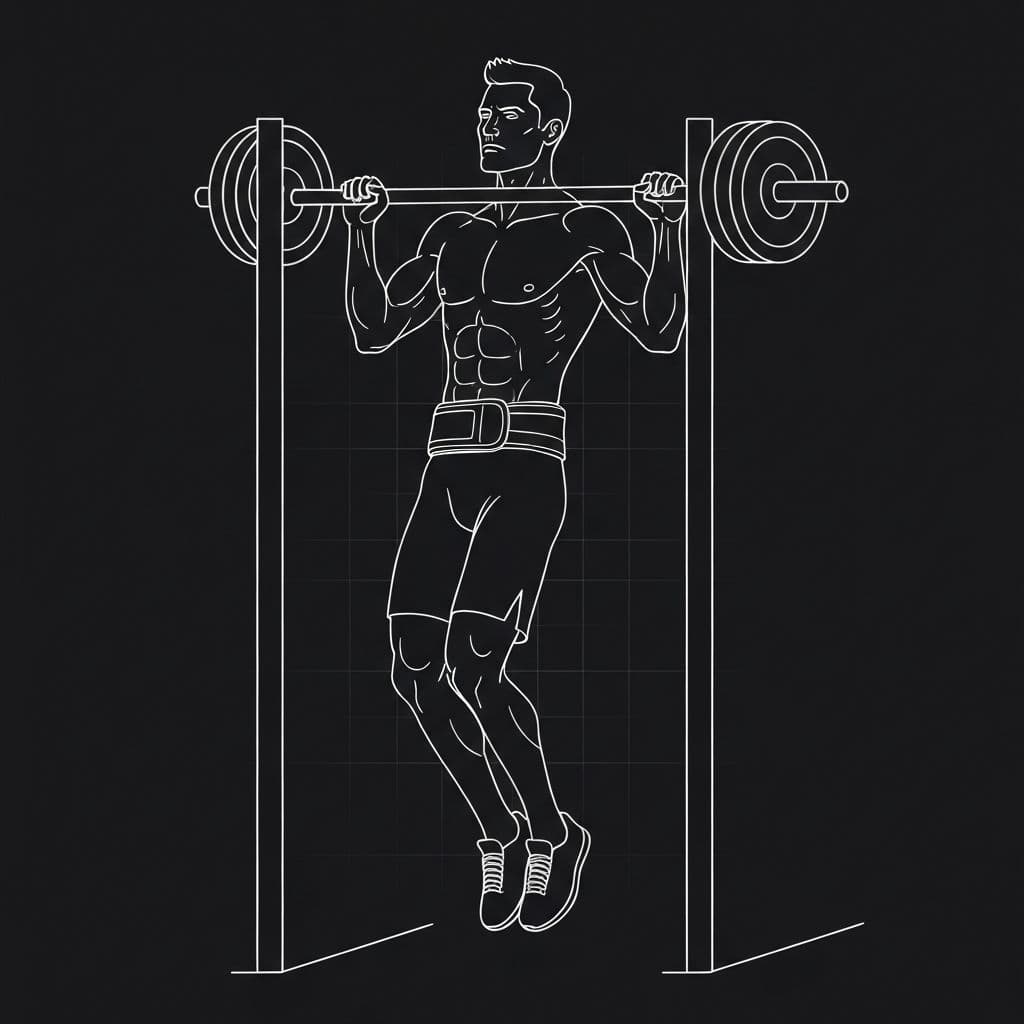
Weighted Pull-Ups
The foundation of front lever strength. Weighted pull-up strength directly correlates with lever progression.
Key Cues
- •Full range of motion
- •Control both phases
- •No kipping
- •Progress weight slowly
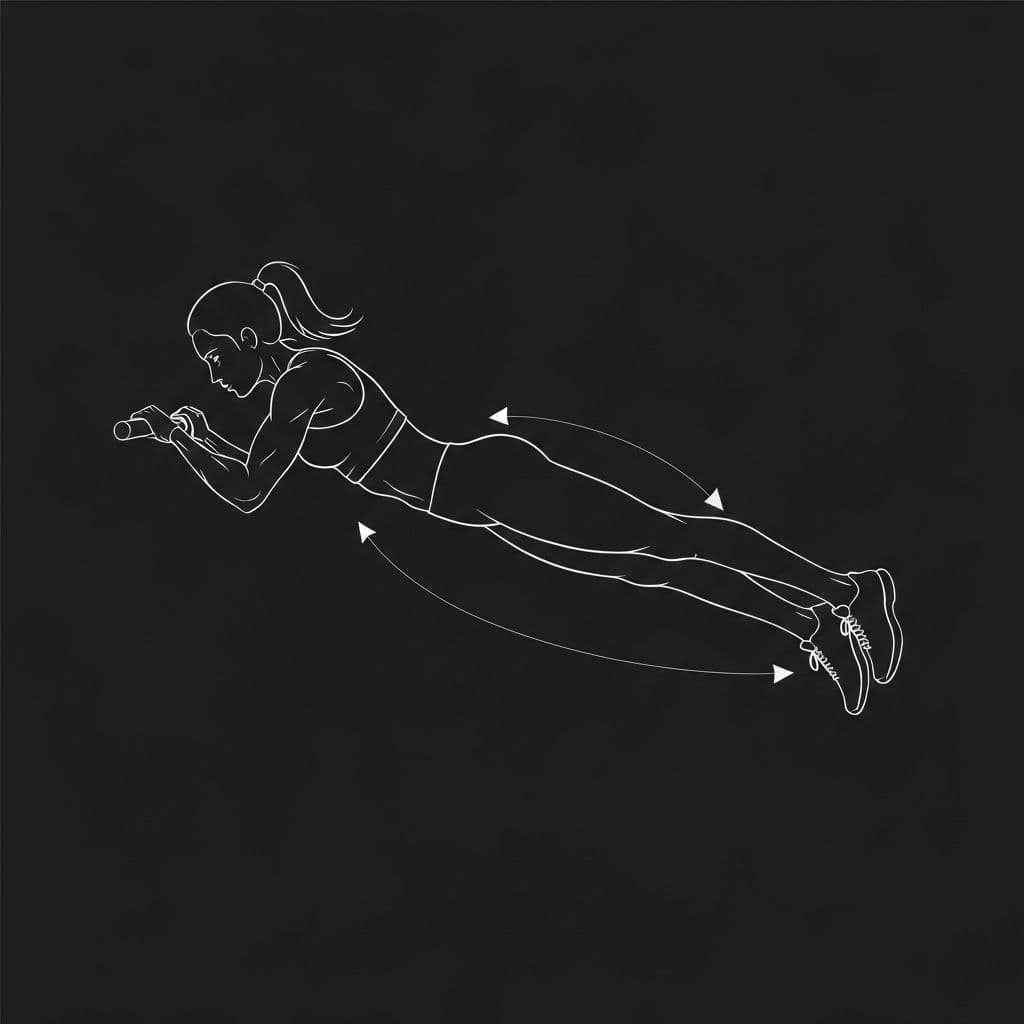
Front Lever Rows
Horizontal pulling from front lever position. Develops specific strength for the hold.
Key Cues
- •Start in lever position
- •Pull chest to bar
- •Maintain horizontal body
- •Lower with control
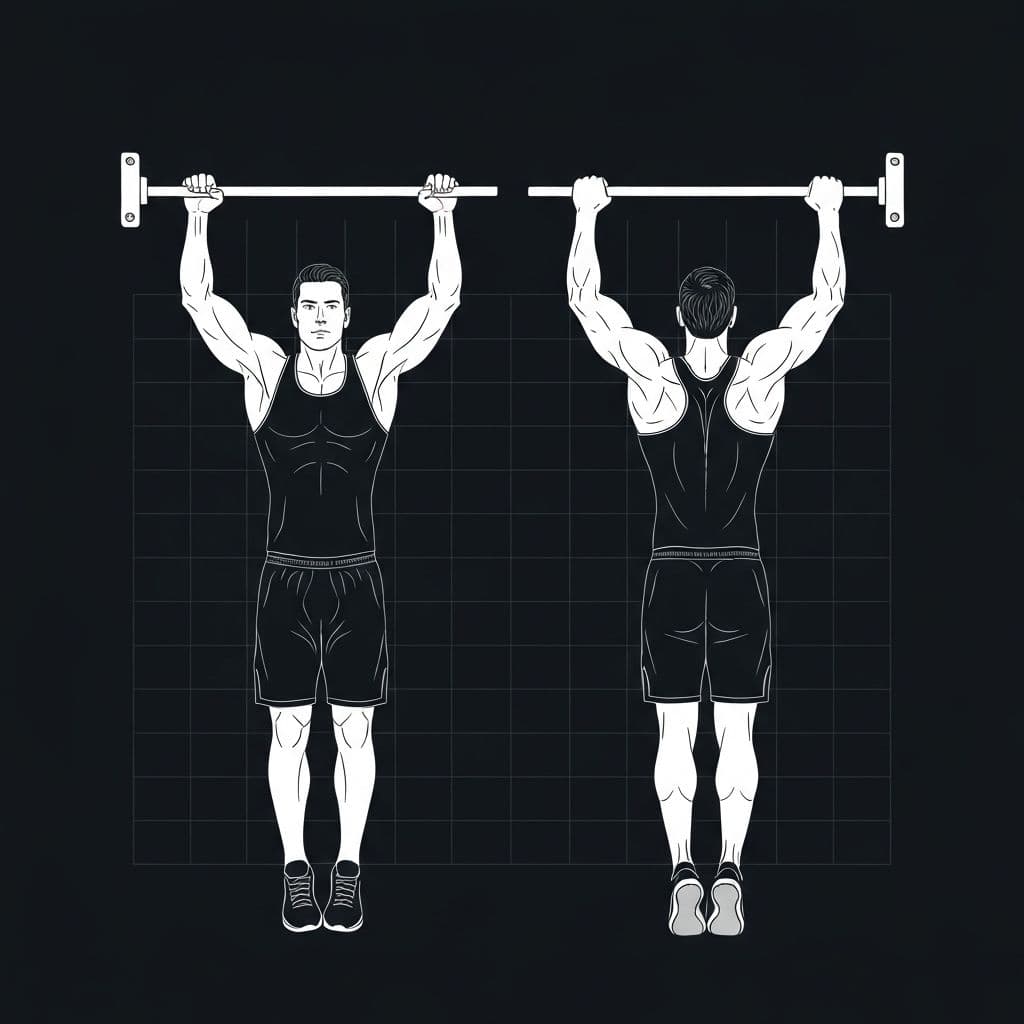
Scapular Pulls
Isolated scapular depression from dead hang. Essential for proper lever position.
Key Cues
- •Dead hang start
- •Depress scapulae only
- •No elbow bend
- •Hold at top
Common Front Lever Mistakes
Avoid these common errors that slow progress and can lead to injury.
Bent arms during the hold
Bending the arms makes the lever easier but does not build the correct strength. Always maintain locked elbows.
Hips dropping below body line
A piked position is easier but trains incorrect muscle activation. Keep your body in a straight line from shoulders to feet.
Lack of scapular engagement
Without proper scapular depression and retraction, you cannot maintain a horizontal position. Focus on pulling your shoulders down and back.
Progressing too quickly
Rushing to harder progressions before owning easier ones leads to plateaus and potential injury. Master each level before advancing.
Neglecting pulling strength
Front lever progress stalls without adequate weighted pull-up strength. If your lever is stuck, increase your pulling strength.
How Often to Train Front Lever
Recommended Training Frequency
Most athletes see optimal progress training front lever 2-3 times per week with adequate recovery between sessions.
- Skill Work: Practice your current progression with 4-6 quality holds per session
- Strength Work: Include weighted pull-ups and rows in your program
- Recovery: Allow 48-72 hours between front lever sessions
- Volume Management: Quality beats quantity - avoid training to failure every session
Pro Tip
Place front lever work at the beginning of your session when you are fresh. Skill acquisition is most effective when not fatigued.
Test Your Front Lever Level
Not sure which progression you should train? Use the SpartanLab Front Lever Progression Calculator to analyze your current level based on your hold time and strength.
Open Front Lever CalculatorGenerate a Training Program for Your Level
SpartanLab can generate a full training program based on your current strength level, skill progression, recovery signals, and training schedule. Instead of guessing what to train next, the Adaptive Training Engine analyzes your data and builds a program designed for your current ability.
Generate ProgramRelated Guides
Front Lever Progression & Standards
Detailed progression levels and strength prerequisites
Weighted Pull-Up Training
Build the pulling strength needed for front lever
Calisthenics Strength Standards
See how your strength compares to benchmarks
Calisthenics Program Guide
Structure your overall training program