Six Pack Abs Training Guide
Learn how to develop strong abdominal muscles and progress toward advanced calisthenics core exercises like the dragon flag.
The Truth About Visible Abs
There is a well-known principle in fitness:
"Abs are built in the gym, but revealed in the kitchen."
This means two things: First, you need to train your abdominal muscles to make them stronger and larger. Second, your body fat percentage determines whether those muscles are visible.
This guide focuses on the training side. Strong abs are not just about aesthetics. They are essential for calisthenics performance, supporting advanced skills like front levers, planches, and dragon flags.
How Abdominal Muscles Work
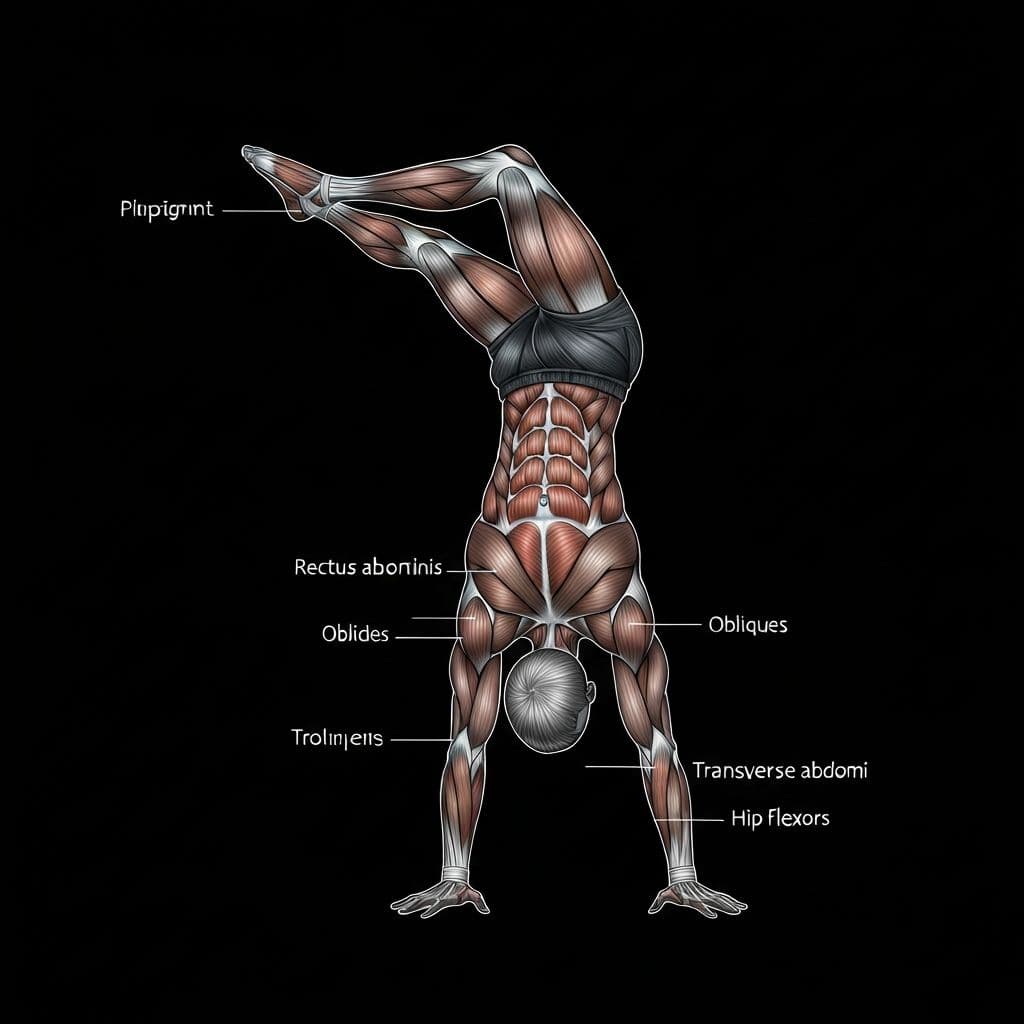
Rectus Abdominis
The "six-pack" muscle. Flexes the spine and maintains posture.
Obliques
Internal and external obliques rotate the torso and provide lateral stability.
Transverse Abdominis
The deepest core muscle. Stabilizes the spine and compresses the abdomen.
Hip Flexors
Connect the core to the legs. Essential for leg raise movements.
Why Core Strength Matters in Calisthenics
Strong abs are the foundation of advanced calisthenics skills. Here is how core strength transfers to specific movements:
Front Lever
Core tension maintains horizontal body position under the bar.
Planche
Hollow body position requires constant abdominal engagement.
L-Sit
Hip flexor and lower ab strength holds the legs elevated.
Dragon Flag
Full body tension through the core controls the lowering phase.
Best Calisthenics Exercises for Abs
These exercises build functional core strength that transfers directly to calisthenics skills.
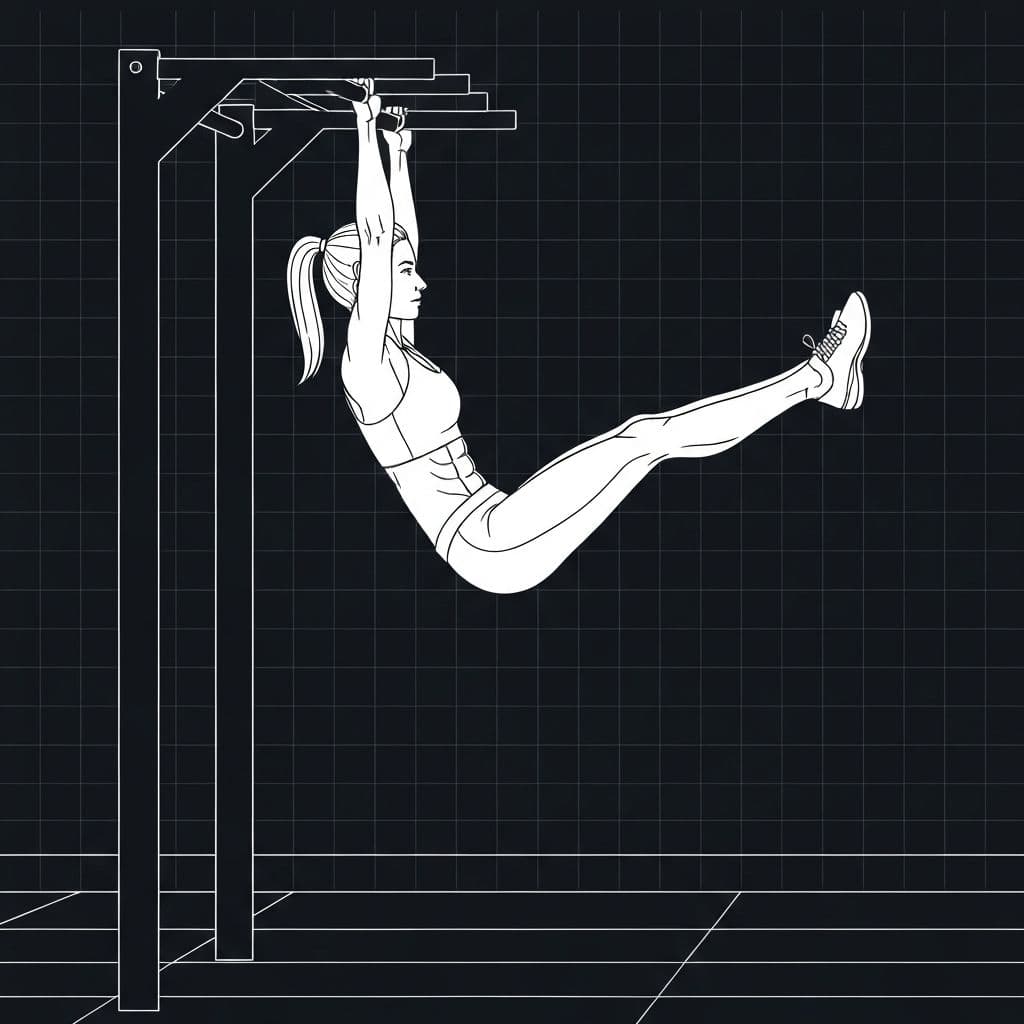
Hanging Leg Raises
Hang from a bar and raise straight legs to horizontal or higher. One of the most effective exercises for lower abs and hip flexors.
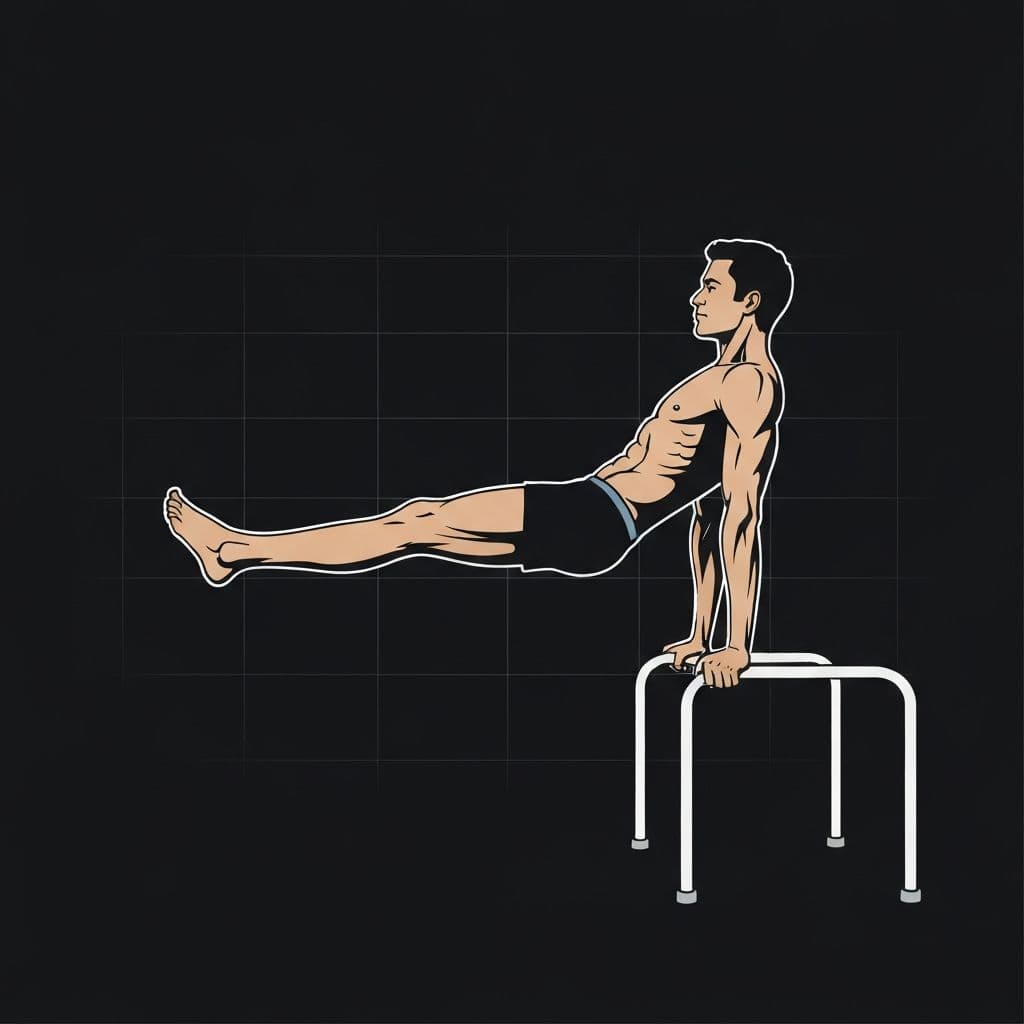
L-Sit Hold
Support your body on parallettes or the floor with legs extended straight in front. Builds compression strength and hip flexor endurance.
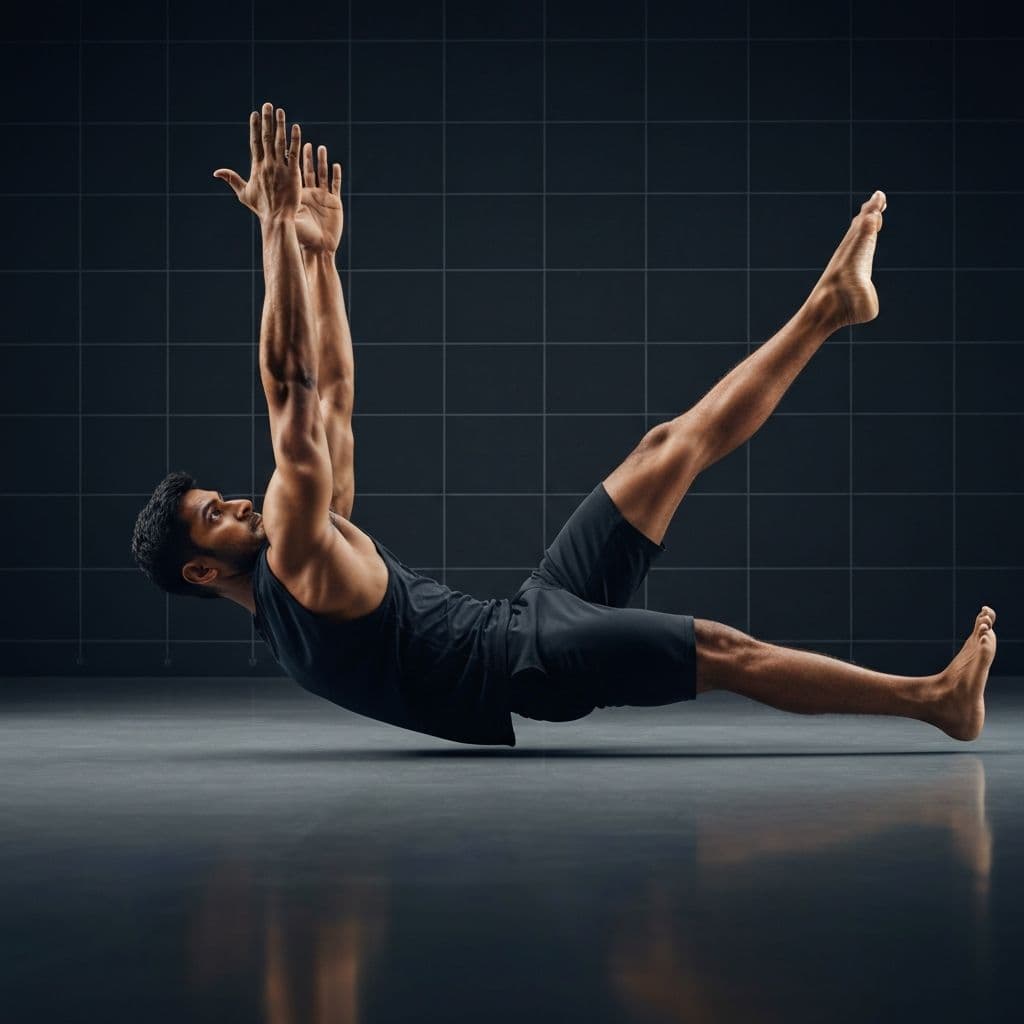
Hollow Body Hold
Lie on your back with arms overhead and legs extended, creating a banana shape. The foundation for most gymnastics and calisthenics core work.

Dragon Flag Progressions
Lie on a bench, grip behind your head, and lower your body in a straight line. The ultimate calisthenics core exercise.
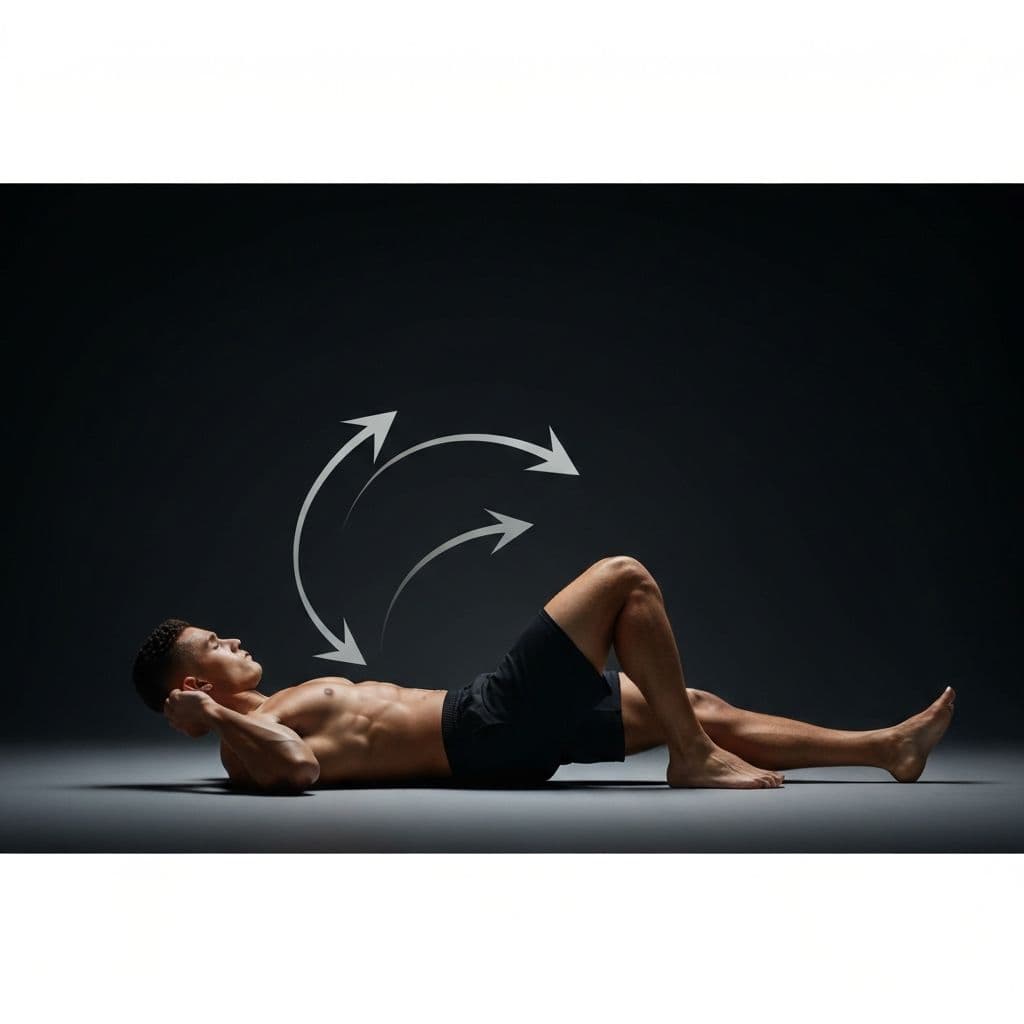
Reverse Crunches
Lie on your back and curl your hips toward your chest, lifting your lower back off the floor. Targets the lower portion of the rectus abdominis.
Dragon Flag Progression
The dragon flag is one of the most impressive and challenging core exercises in calisthenics. Made famous by Bruce Lee, it requires exceptional abdominal strength and full body tension. Progress through these levels systematically.

Bent-Knee Dragon Flag
IntermediateStart with knees bent to reduce leverage. Focus on maintaining a straight line from shoulders to knees.
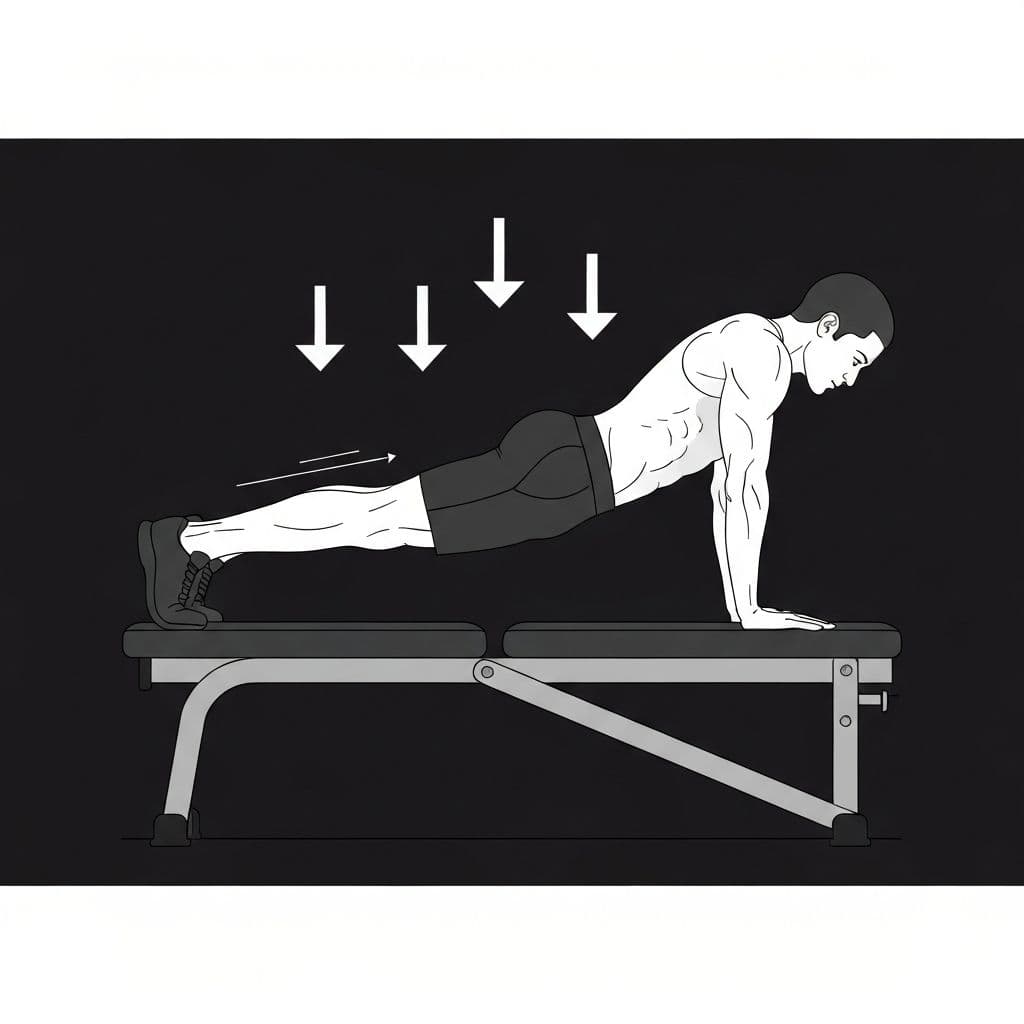
Negative Dragon Flag
AdvancedStart at the top position and lower slowly with straight legs. Eccentric training builds the strength for full reps.

Full Dragon Flag
EliteComplete the full movement with straight legs, lowering and raising with control. An elite display of core strength.
Common Core Training Mistakes
Using Momentum Instead of Control
Swinging or kipping reduces core activation. Every rep should be controlled through the full range of motion.
Ignoring Lower Core Engagement
Many athletes over-develop upper abs while neglecting lower abs and hip flexors. Include leg raises and reverse crunches.
Progressing Too Quickly
Attempting dragon flags before building foundational strength leads to poor form and potential injury. Master hollow holds first.
Holding Your Breath
Proper breathing maintains intra-abdominal pressure. Exhale during the effort phase of each movement.
Nutrition and Visible Abs
Training builds abdominal muscle, but body fat levels determine visibility. Most people need to reach 12-15% body fat (men) or 18-22% (women) before abdominal definition becomes visible.
"Abs are built in the gym, but revealed in the kitchen."
Consistent training combined with appropriate nutrition helps reveal abdominal definition over time.
SpartanLab focuses on training performance and exercise programming. Nutrition strategies should be personalized based on individual needs and goals.
Analyze Your Core Strength
SpartanLab training tools help analyze your strength levels and recommend exercises based on your current ability.
Generate a Core Training Program
SpartanLab can generate a calisthenics program based on your current strength level, skill goals, and training schedule. The Adaptive Training Engine adjusts your workouts automatically as your strength improves.
Generate Program