Planche Progression Guide
Learn how to develop the strength, balance, and shoulder stability required to achieve a full Planche.
The planche is one of the most advanced strength skills in calisthenics. It requires extraordinary pushing strength, shoulder stability, and core tension to hold the body completely horizontal while balancing on the hands.
Achieving a full planche takes consistent training and careful progression. Most athletes spend months or years developing the necessary strength. The skill demands exceptional straight-arm pushing power that cannot be rushed.
This guide explains the progression levels, exercises, and training principles used by experienced calisthenics athletes to build toward the planche.
Muscles Used in the Planche
The planche is a full-body pushing skill that primarily targets the anterior shoulder chain while demanding extreme core activation.
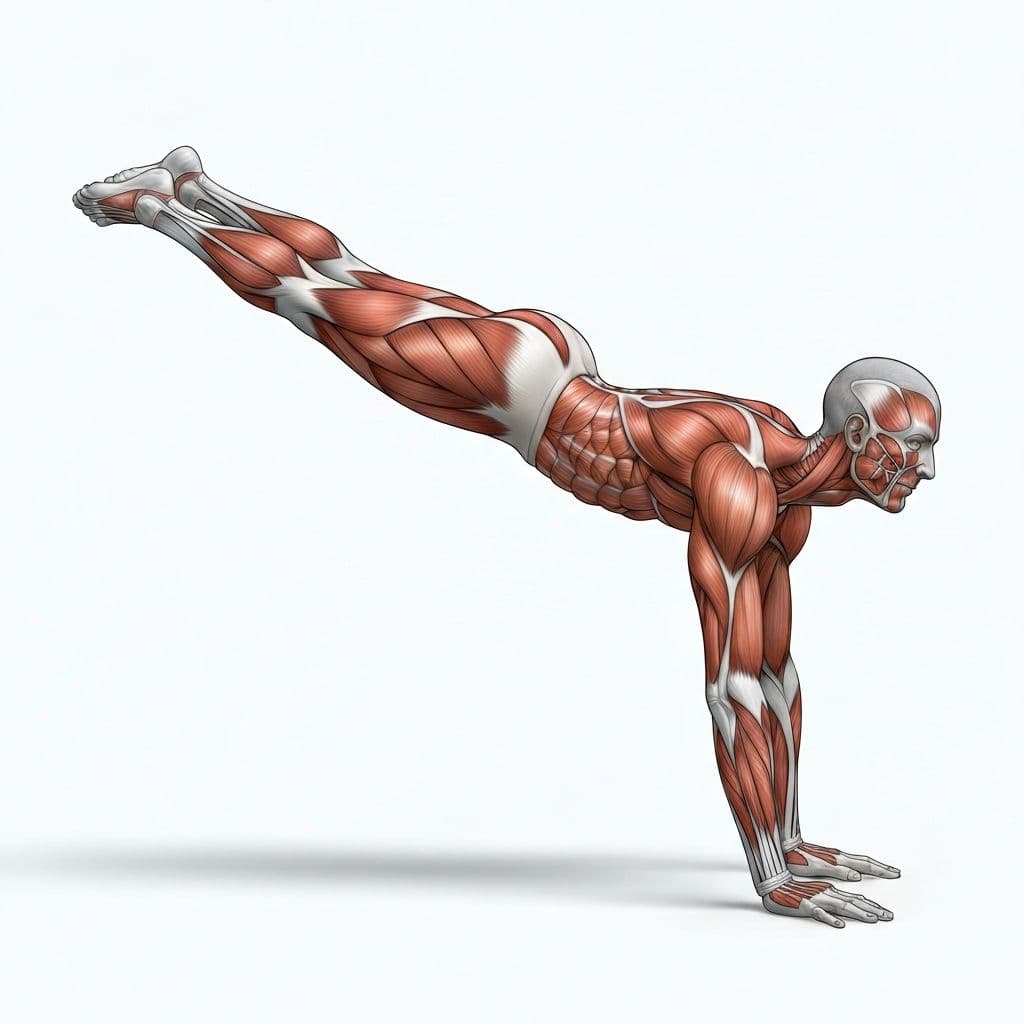
Anterior Deltoids (Front Shoulders)
Primary mover - creates the pushing force to hold body horizontal
Chest (Pectoralis Major)
Horizontal adduction and forward pushing assistance
Triceps
Elbow lockout and straight-arm maintenance under load
Core (Rectus Abdominis, Obliques)
Anti-extension and body tension to maintain straight line
Serratus Anterior
Scapular protraction - essential for shoulder position
Wrist Flexors and Extensors
Stabilize wrists under extreme extension load
Planche Progression Levels
The planche follows a systematic progression that gradually increases the lever arm length. Each level requires significantly more shoulder strength than the previous.
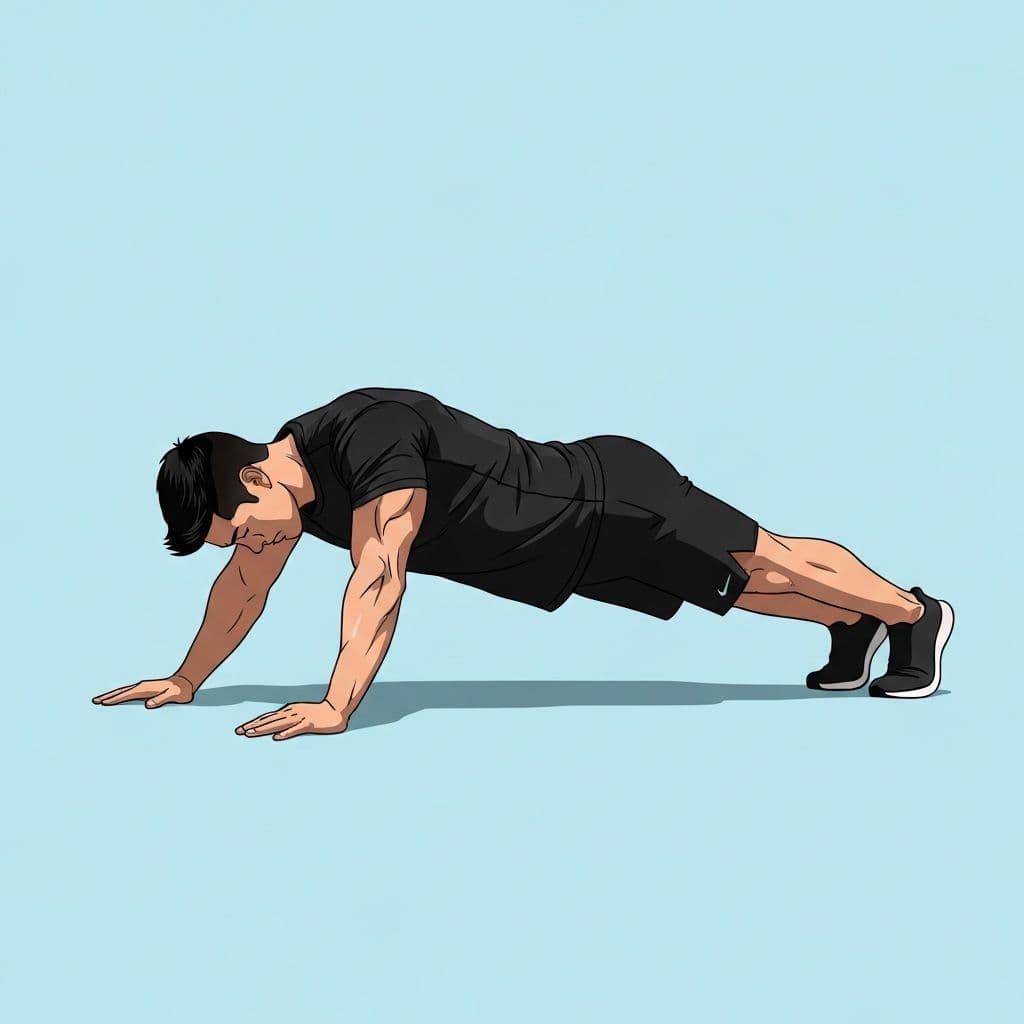
Planche Lean
FoundationHands on floor in push-up position, lean shoulders forward past wrists while maintaining straight arms. The essential starting point for building planche-specific shoulder strength.

Tuck Planche
BeginnerKnees pulled tight to chest while balancing on hands with shoulders forward of wrists. First full planche position where feet leave the ground.
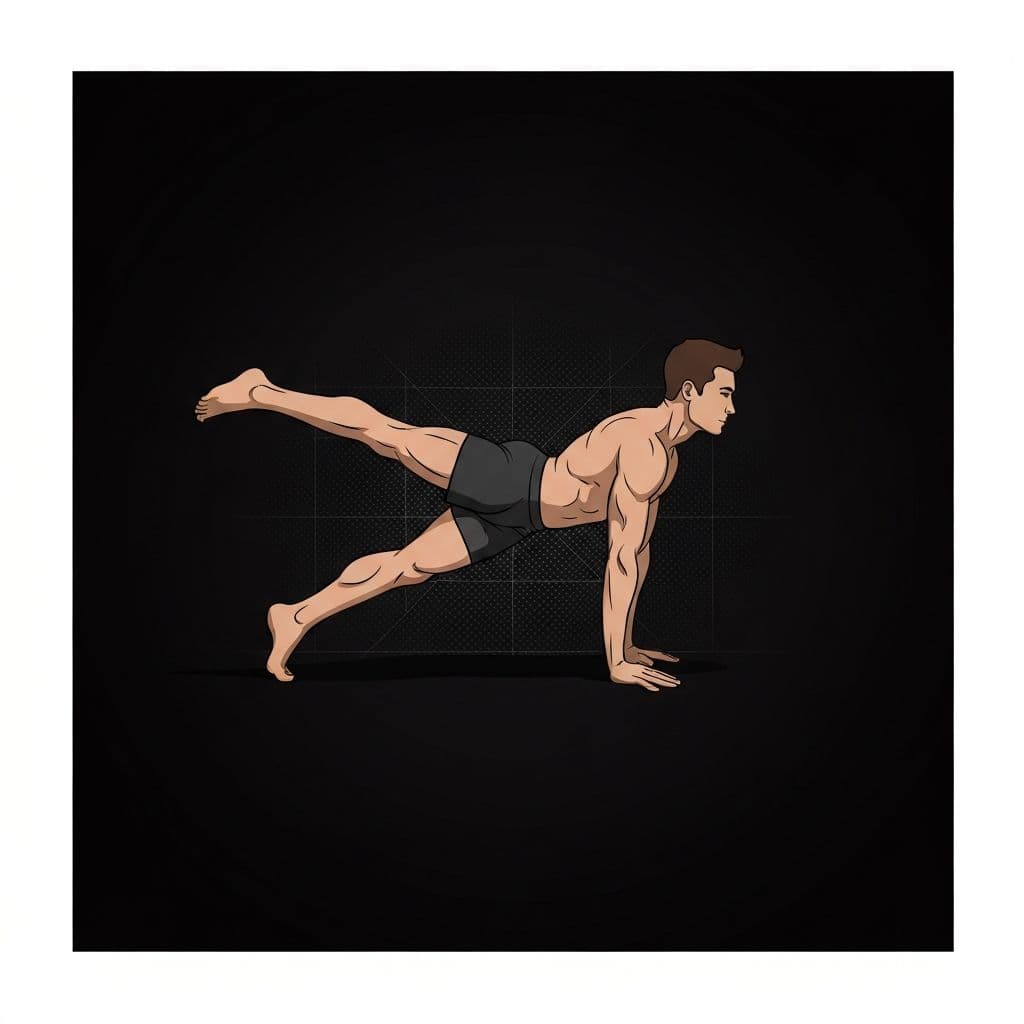
Advanced Tuck Planche
IntermediateHips extended backward with back flat and thighs below horizontal. Significantly harder than tuck due to longer lever arm and increased core demand.

Straddle Planche
AdvancedLegs fully extended and spread wide while maintaining horizontal body position. Straddle shortens the lever compared to full planche.
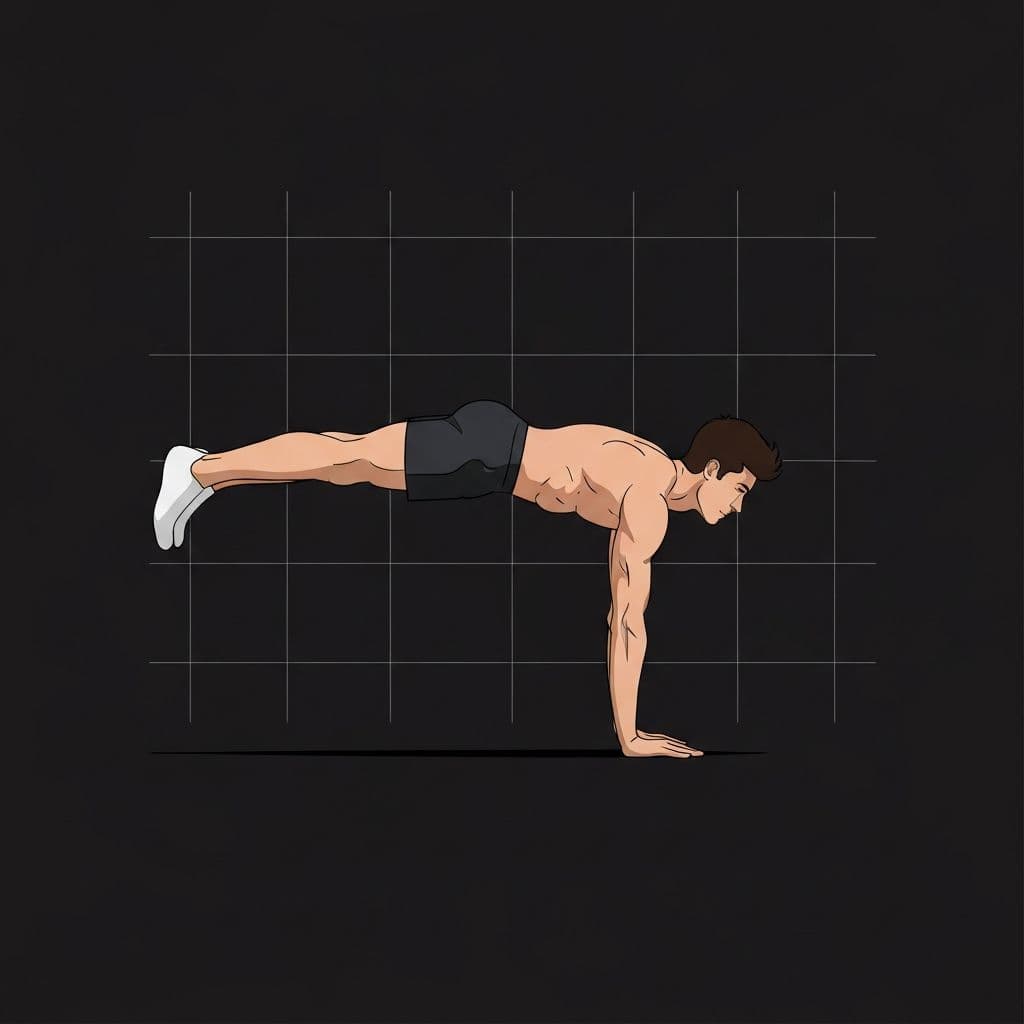
Full Planche
EliteLegs together, body completely horizontal with only hands touching the ground. The ultimate test of straight-arm pushing strength.
Best Exercises for Planche Strength
These exercises target the specific strength qualities needed for planche development. Include them in your training program alongside your planche practice.
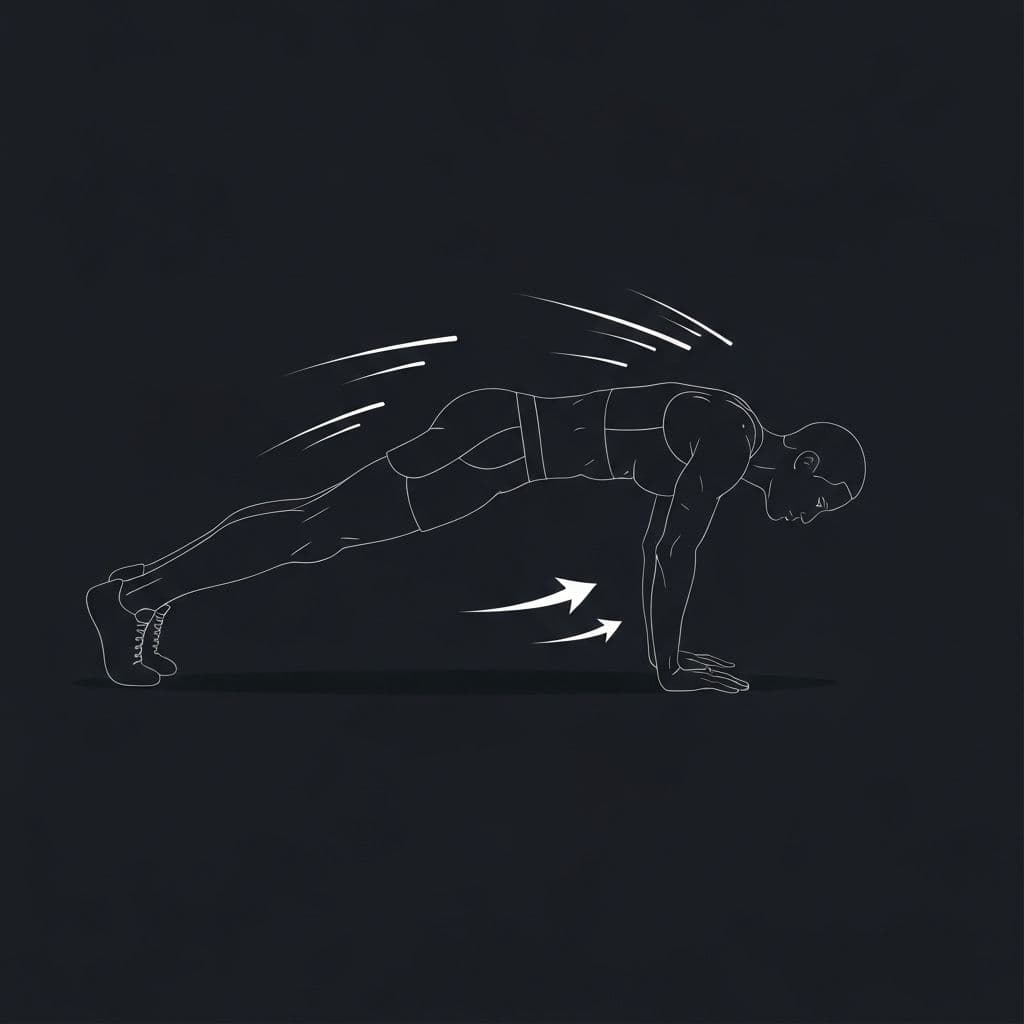
Planche Leans
The foundation exercise for planche. Develops shoulder protraction strength and forward lean tolerance in a controlled position.
Key Cues
- •Hands shoulder-width
- •Lean shoulders past wrists
- •Lock elbows completely
- •Protract scapulae
Pseudo Planche Push-Ups
Push-ups with forward lean mimicking planche position. Builds dynamic strength in the shoulder angle required for planche.
Key Cues
- •Start in planche lean
- •Maintain lean throughout
- •Full range of motion
- •Elbows track back, not out
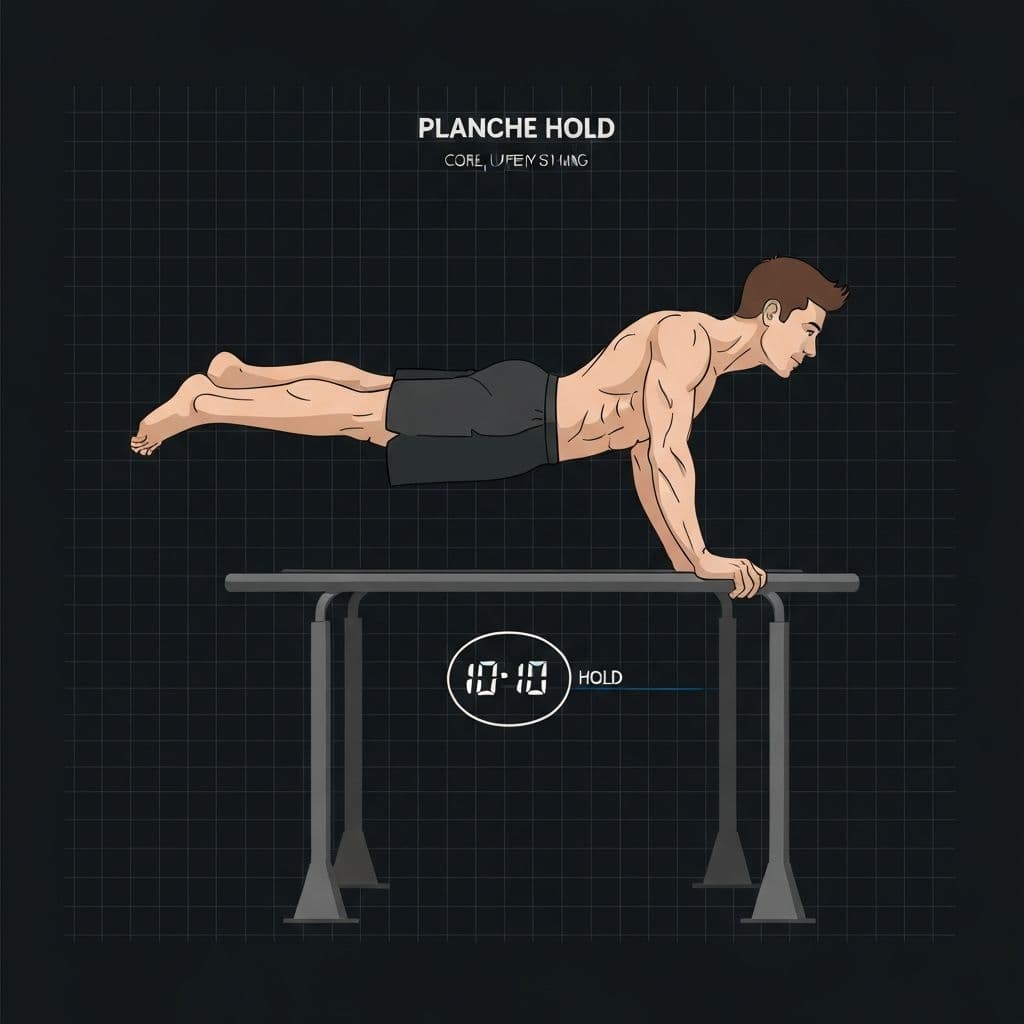
Planche Hold Variations
Isometric holds at your current progression level. The primary skill-building exercise for planche development.
Key Cues
- •Maximum shoulder protraction
- •Straight arm lockout
- •Posterior pelvic tilt
- •Look slightly forward
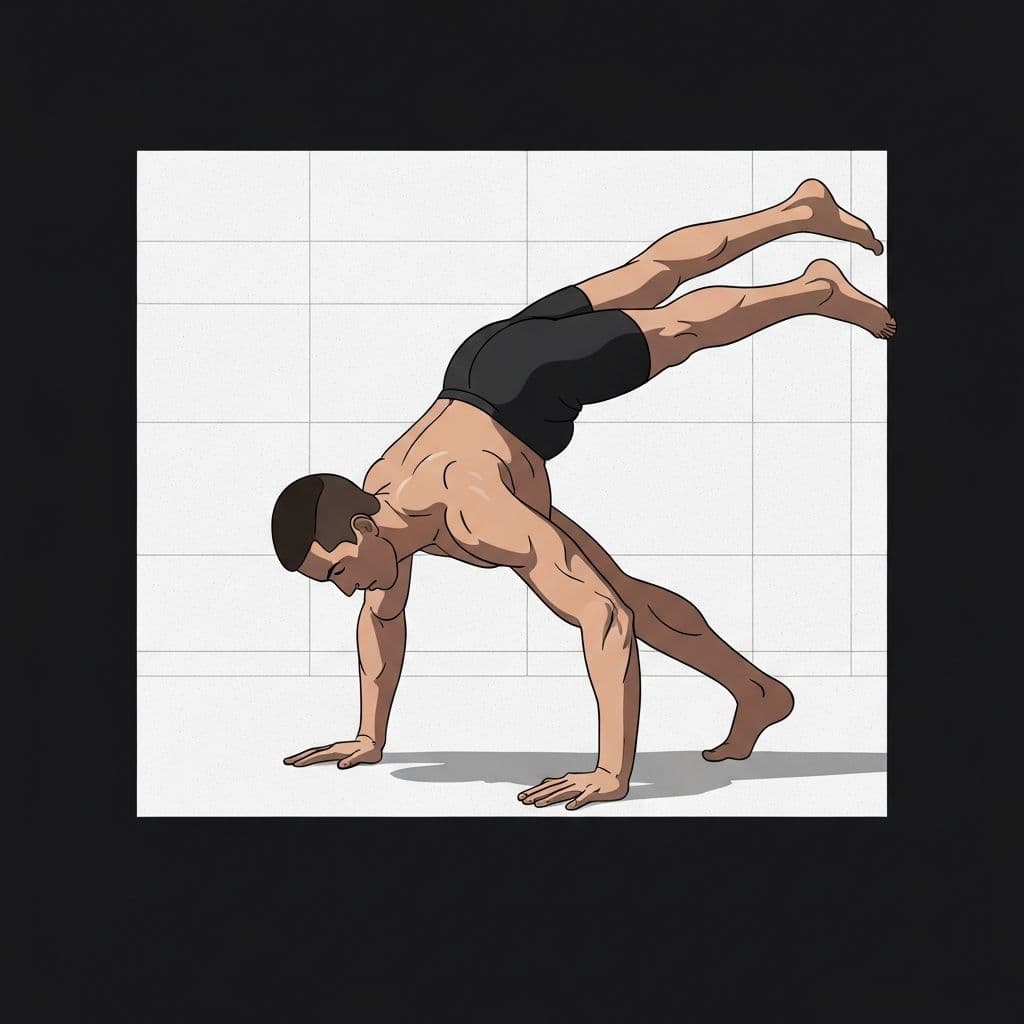
Handstand Push-Ups
Vertical pressing strength transfers to planche. Builds shoulder and tricep strength needed for advanced progressions.
Key Cues
- •Wall-supported or freestanding
- •Full range of motion
- •Controlled negative
- •Push through shoulders at top
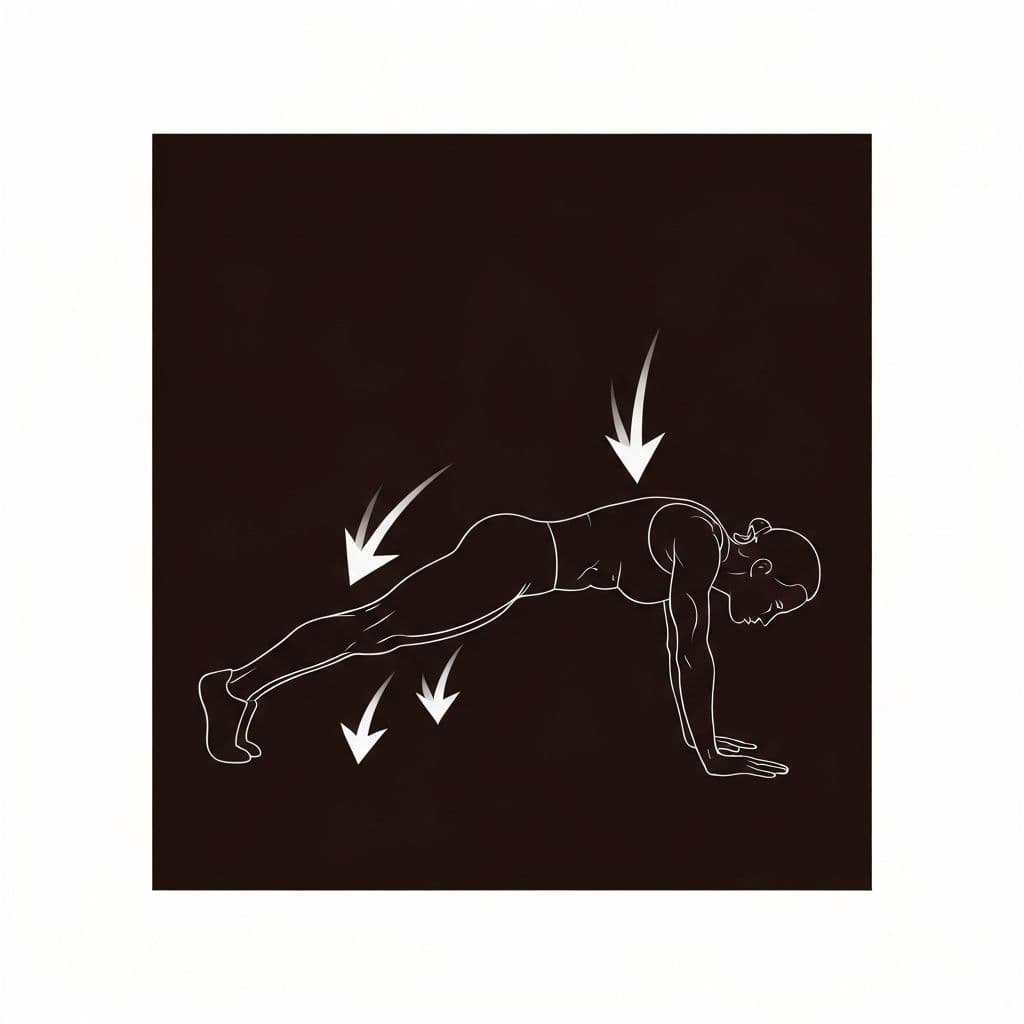
Planche Push-Up Negatives
Lower from planche position with control. Builds eccentric strength through the most challenging range.
Key Cues
- •Start in planche hold
- •Lower chest toward floor
- •Maintain forward lean
- •3-5 second negative
Common Planche Training Mistakes
Avoid these common errors that slow progress and can lead to shoulder or wrist injury.
Insufficient shoulder lean
Without adequate forward lean, you cannot balance in planche. Your shoulders must be well past your wrists to counterbalance your legs.
Bent arms during the hold
Planche requires straight-arm strength. Bending the elbows shifts the load from shoulders to biceps and makes the skill unstable.
Weak scapular protraction
Without pushing your shoulders forward and around your ribcage, you lack the shoulder position needed to hold planche.
Ignoring wrist preparation
Planche places extreme demands on wrist extension. Neglecting wrist warm-ups and conditioning leads to pain and injury.
Hips too high or piked
A piked position with raised hips is significantly easier than true horizontal. Focus on keeping hips at shoulder level.
How Often to Train Planche
Recommended Training Frequency
Most athletes see optimal progress training planche 2-3 times per week with adequate recovery between sessions. The shoulders and wrists need time to adapt.
- Skill Work: Practice your current progression with 5-8 quality holds per session
- Strength Work: Include weighted dips and pseudo planche push-ups in your program
- Wrist Prep: Always warm up wrists before planche work (5-10 minutes)
- Recovery: Allow 48-72 hours between planche sessions for connective tissue recovery
Pro Tip
Combine planche skill work with pushing strength training. On planche days, do your holds first while fresh, then follow with weighted dips or pseudo planche push-ups.
Test Your Planche Strength
Not sure where you stand in the planche progression? Use the SpartanLab Planche Strength Calculator to analyze your current pushing strength and determine the progression you should train.
Open Planche Strength CalculatorGenerate a Planche Training Program
SpartanLab can generate a full calisthenics program based on your strength levels, training schedule, and available equipment. The Adaptive Training Engine adjusts your workouts automatically as you gain strength.
Generate Program